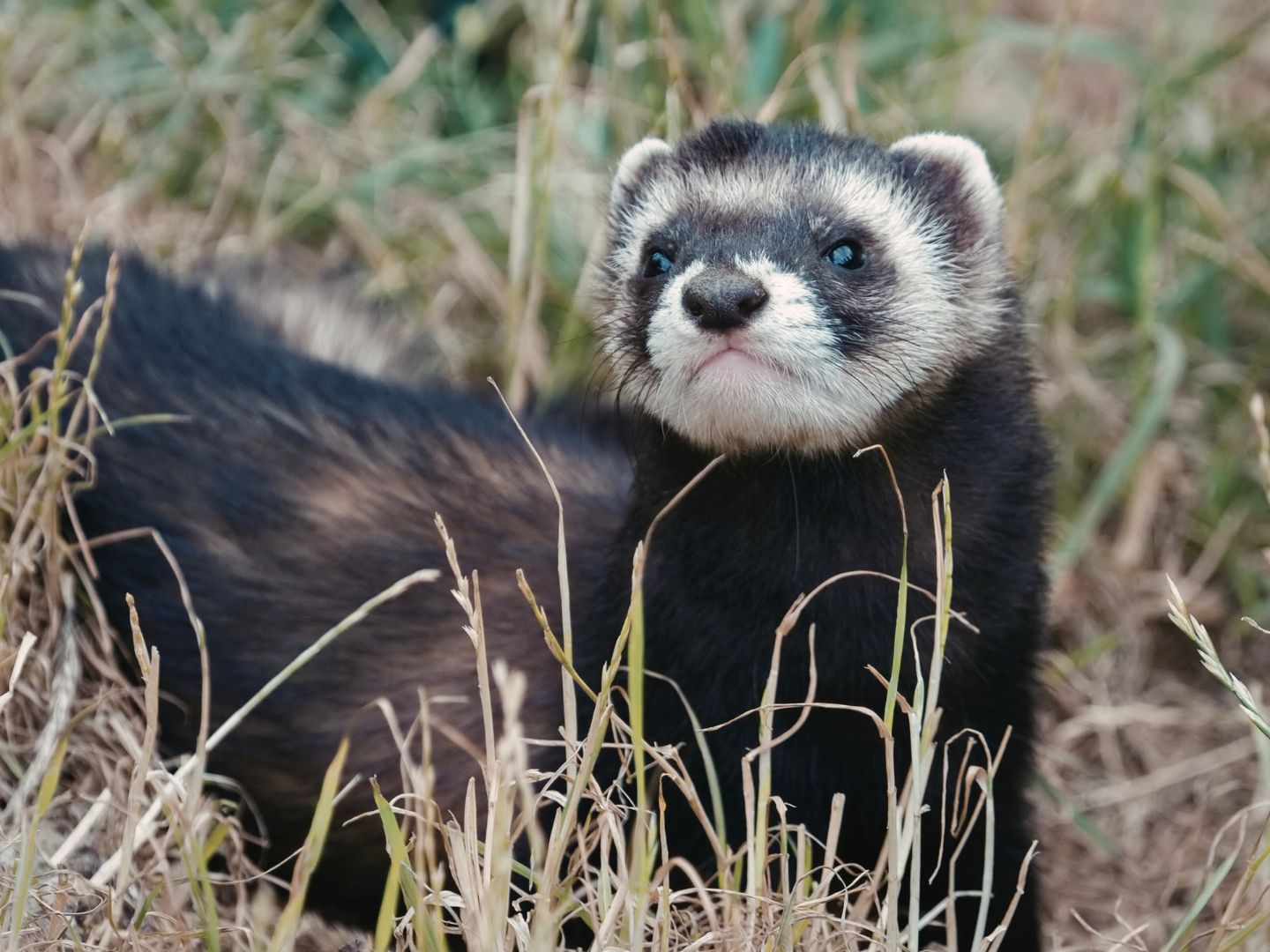
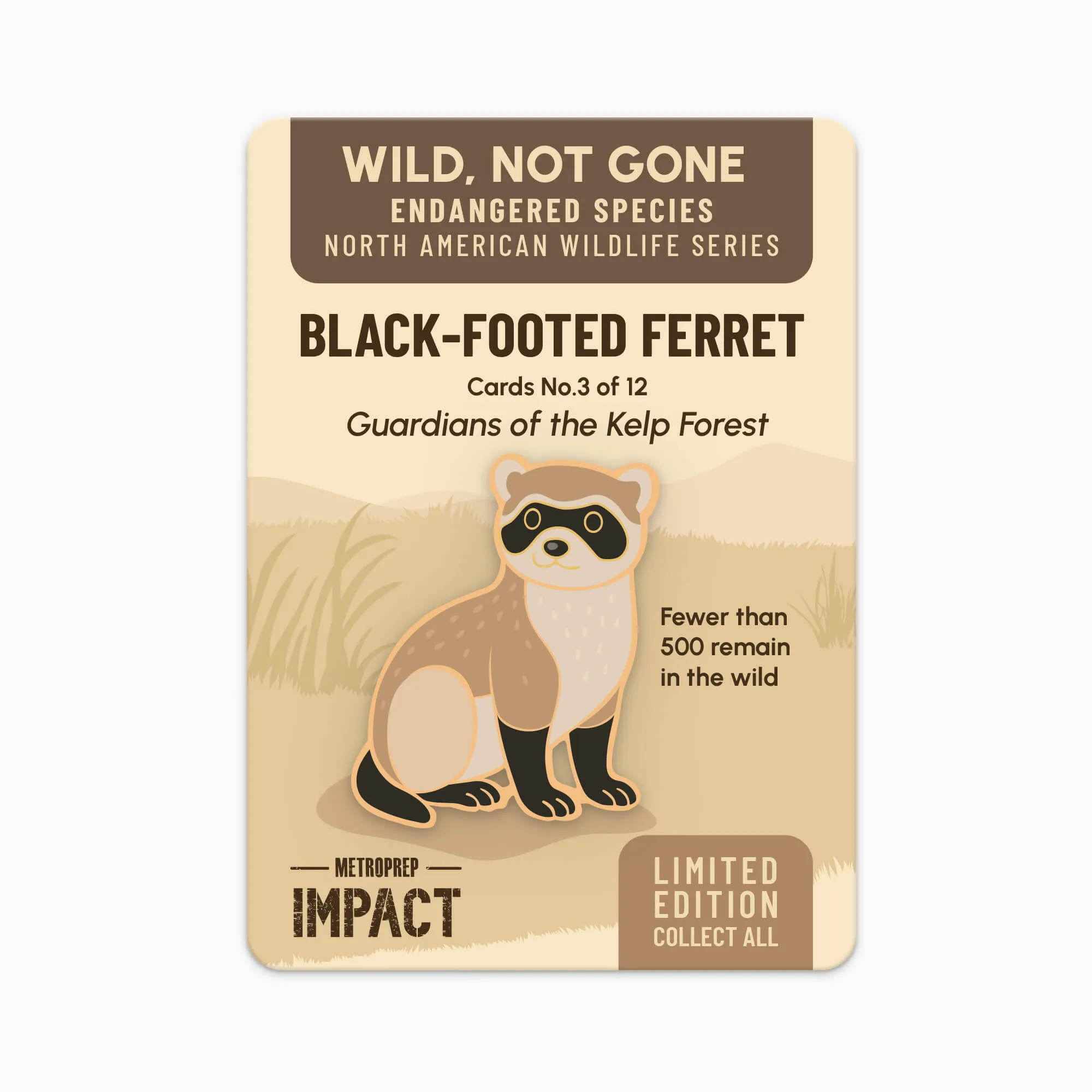
Black-Footed Ferret
A prairie predator revived through captive breeding and reintroduction.
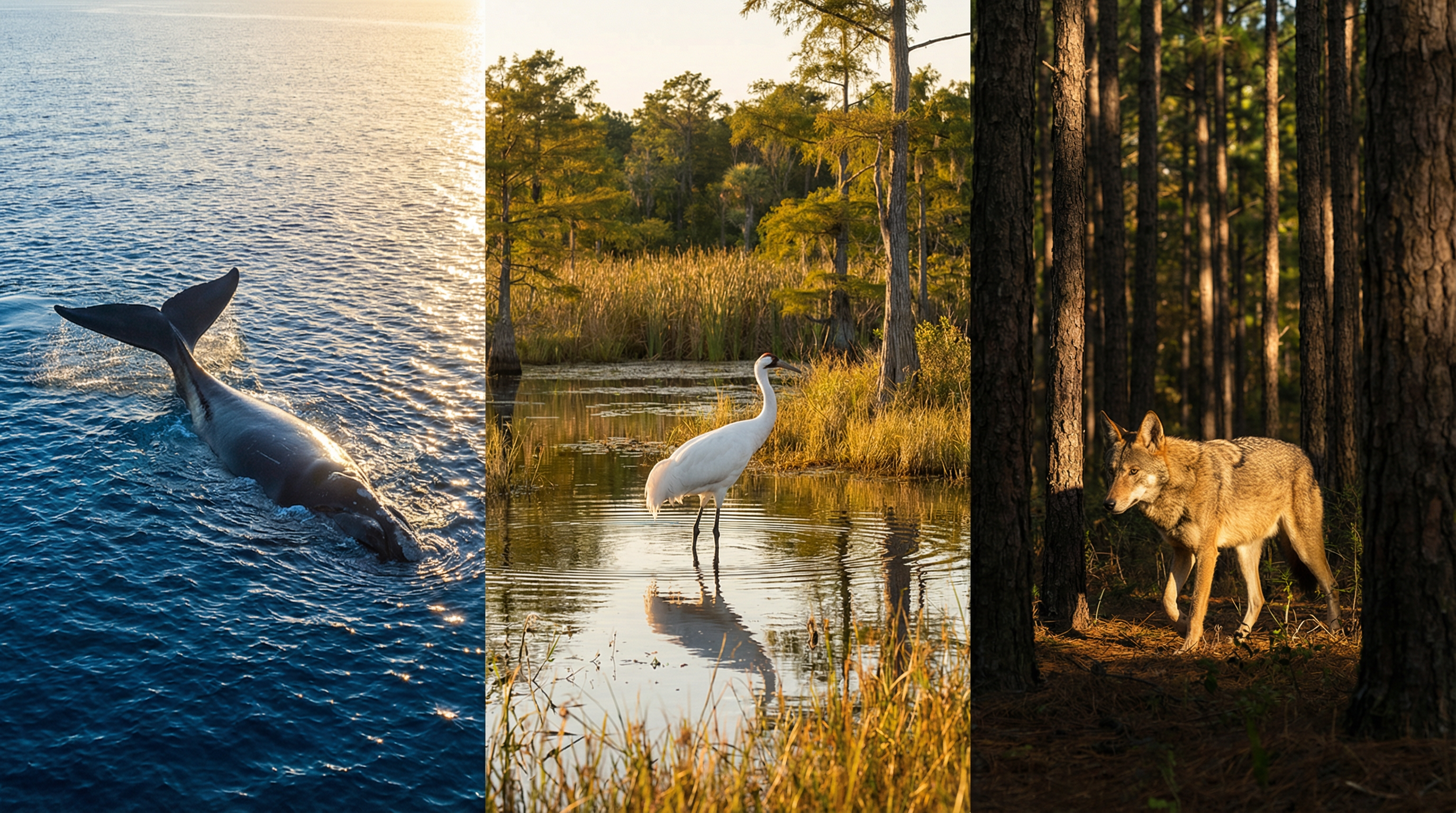
The first Wild, Not Gone collection highlights 12 endangered species native to North America - from oceans and wetlands to forests and alpine meadows.
12
Featured species
Across 5 ecosystems
3
Learning outputs
Database, book, pins
Student-led
Research model
Writing + review
First
Collection chapter
Built to grow
Endangered species are often associated with distant places. This collection shows how close the crisis is to home.
Recognize the ecosystems in our own backyards.
See how nearby habitats are shaped by human choices.
Conservation begins with familiarity and care.
Each species has a dedicated page built from student research.
A prairie predator revived through captive breeding and reintroduction.
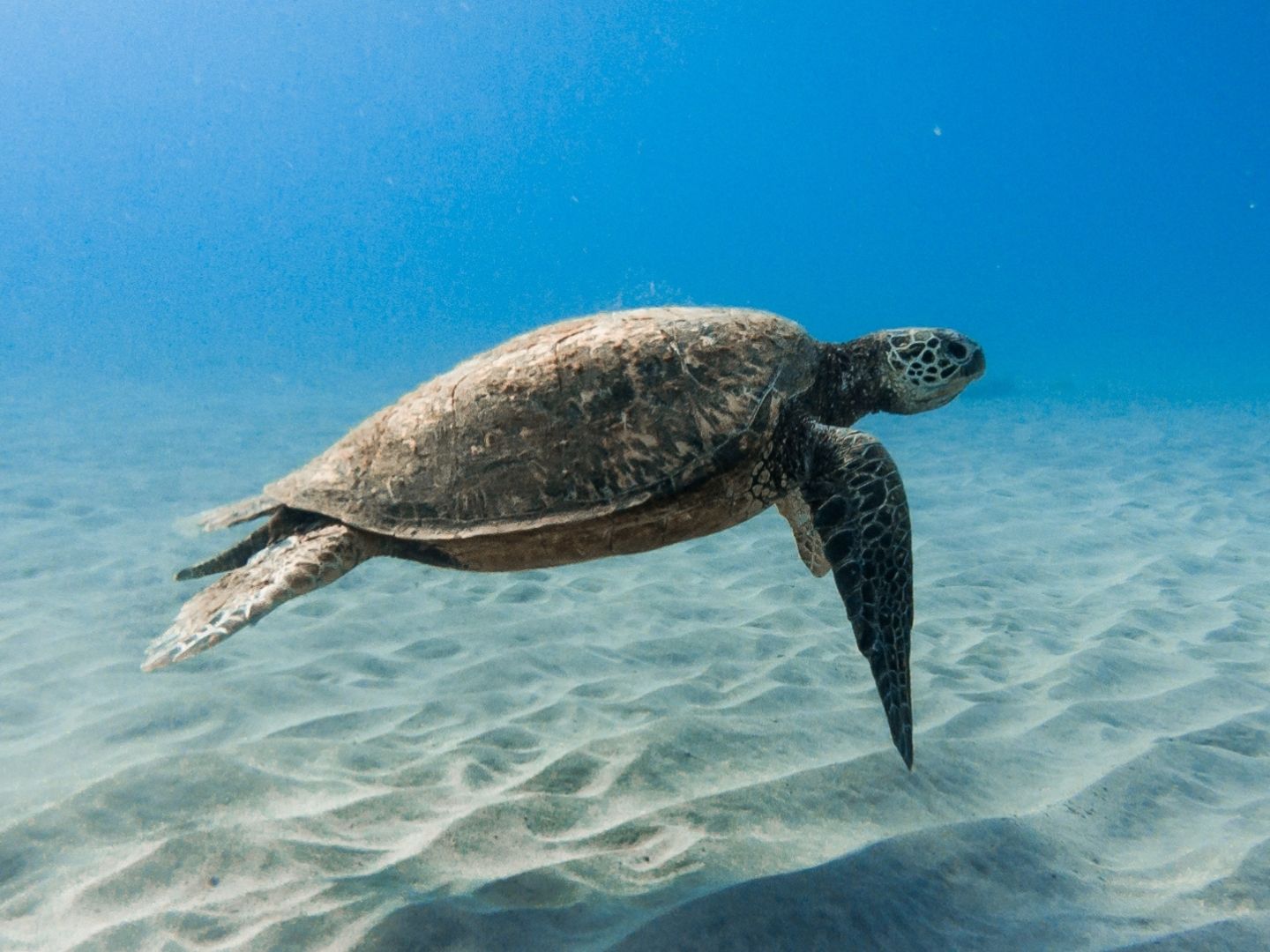
The smallest sea turtle, reliant on protected Gulf nesting beaches.
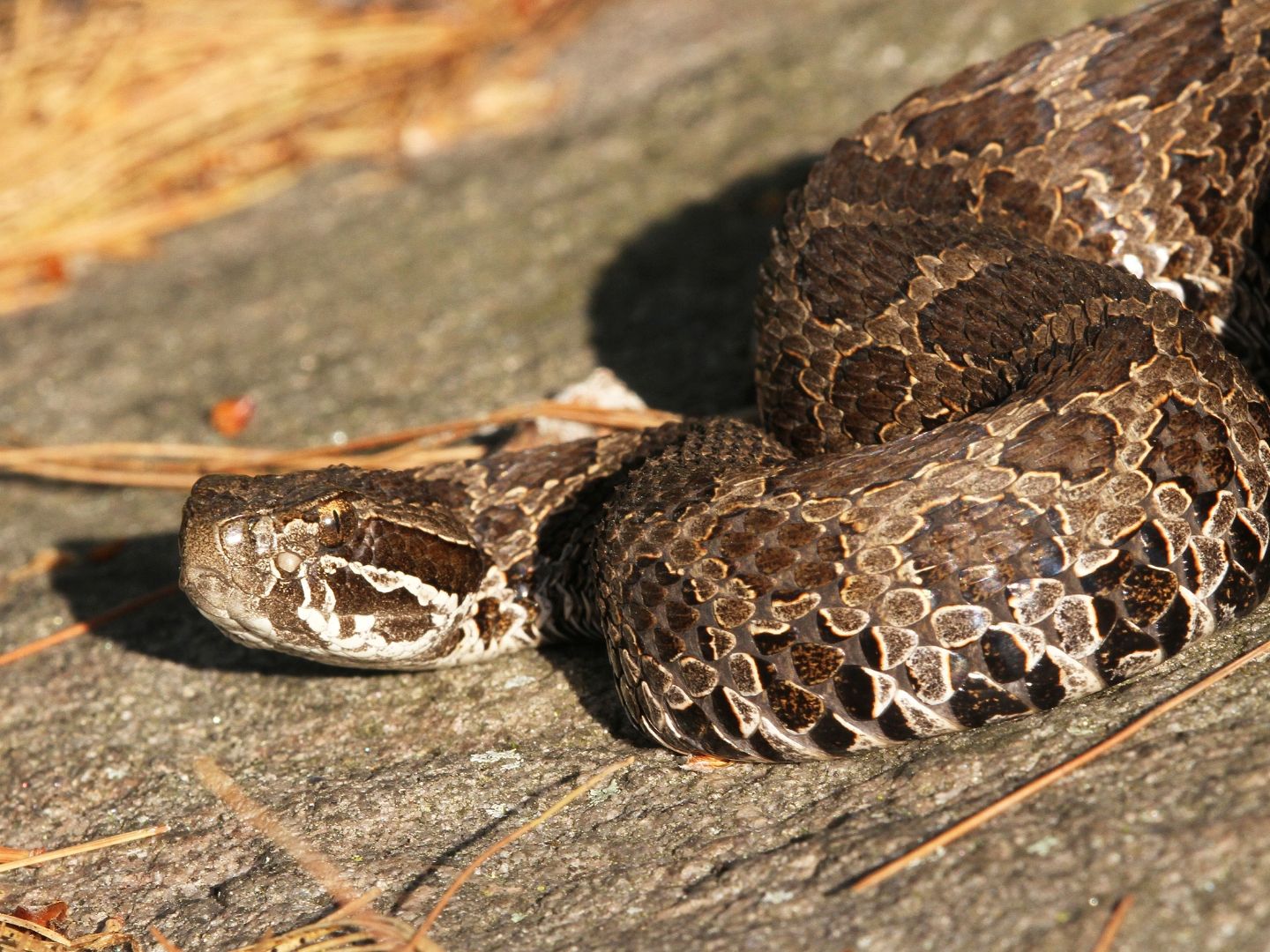
A shy wetland rattlesnake endangered by habitat loss and fear.
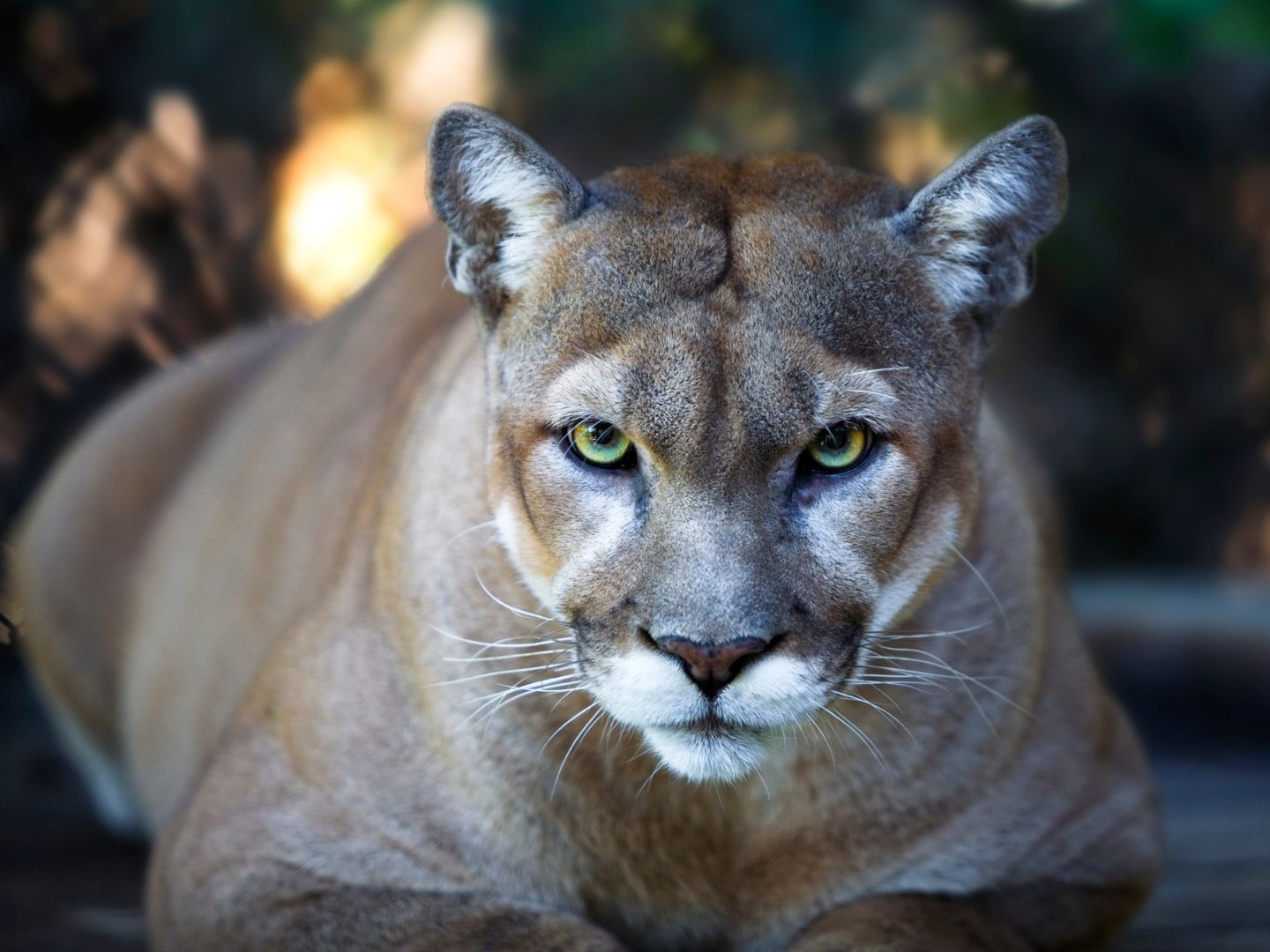
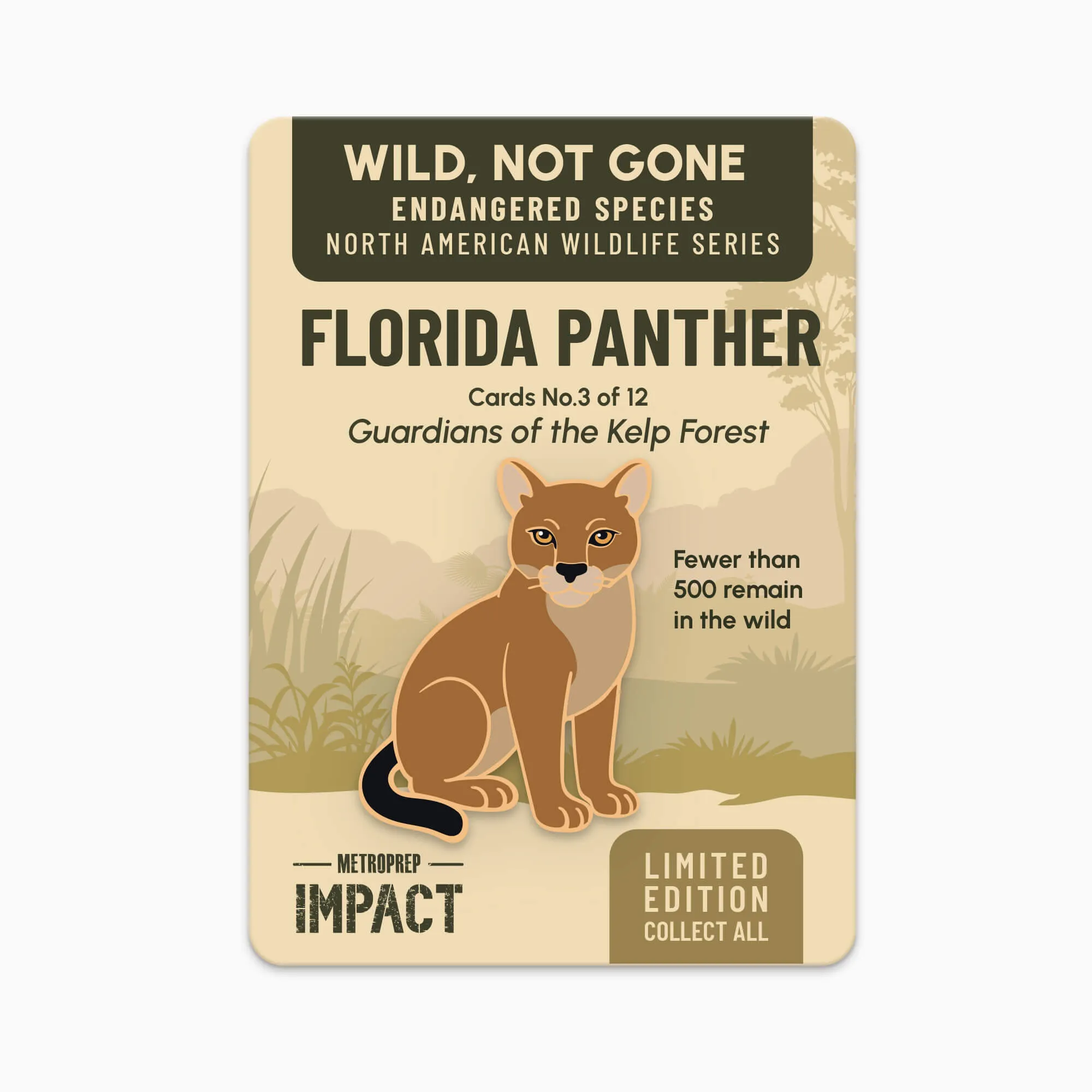
A rare Florida cougar subspecies still dependent on connected habitat.
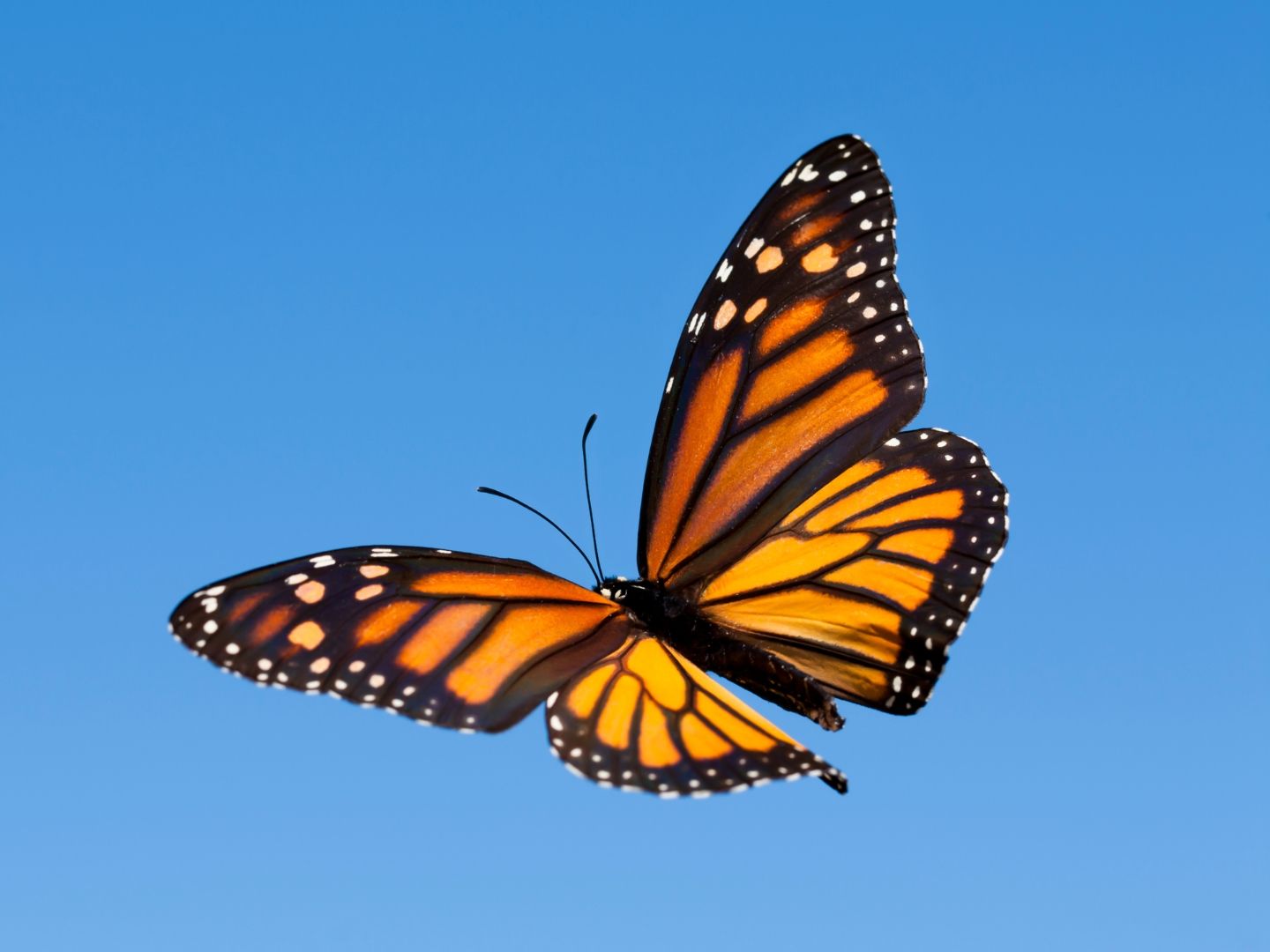
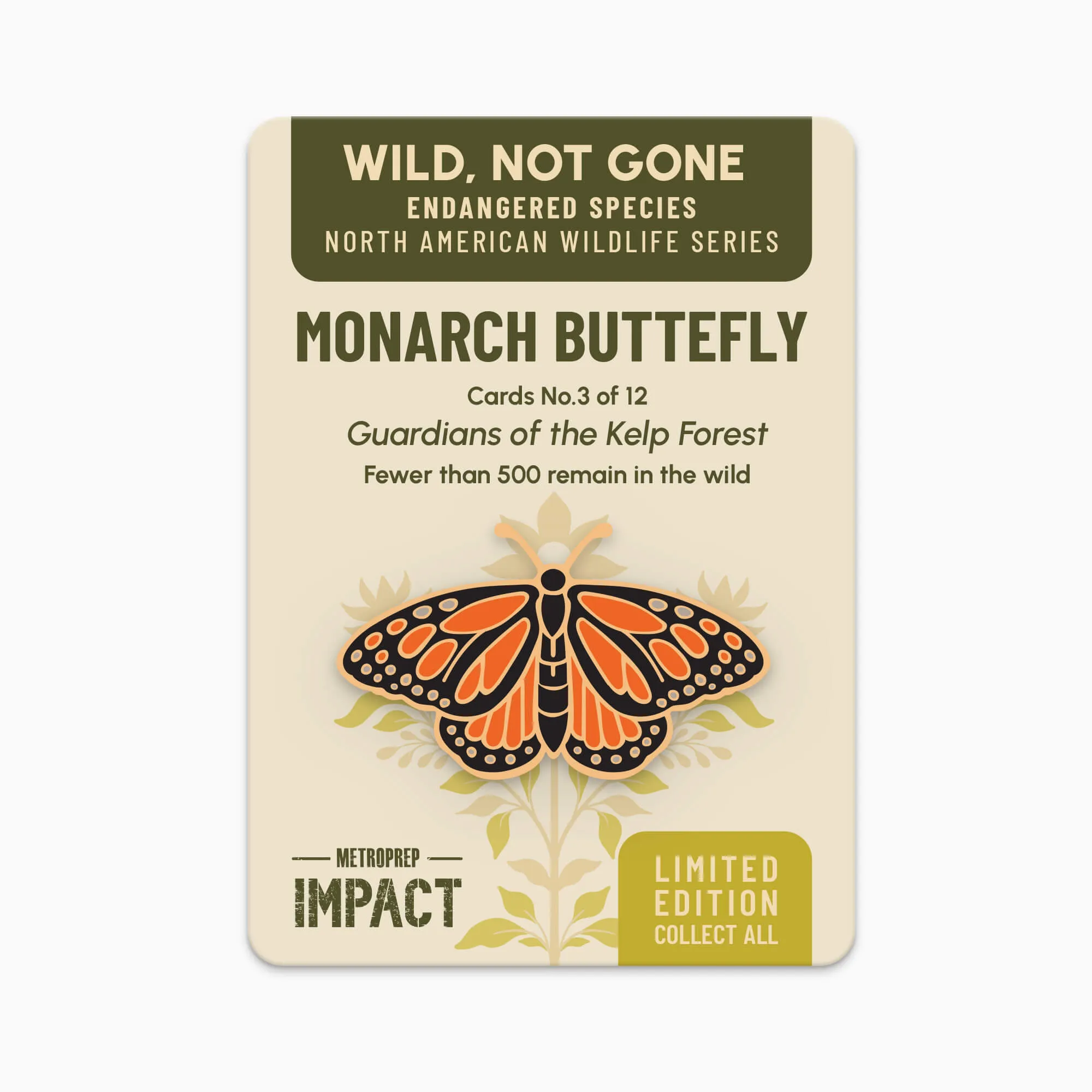
A long-distance migrant threatened by milkweed loss.
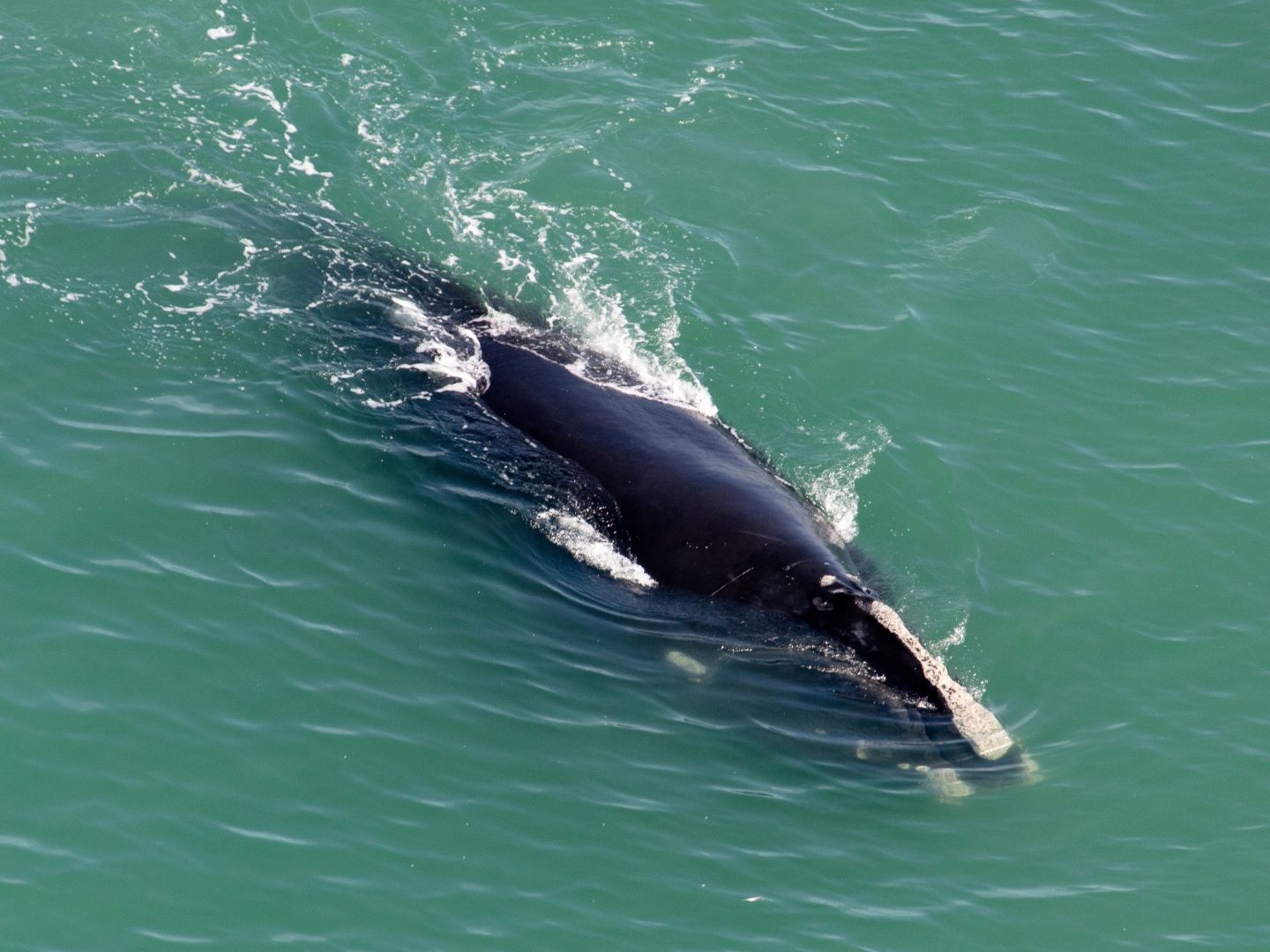
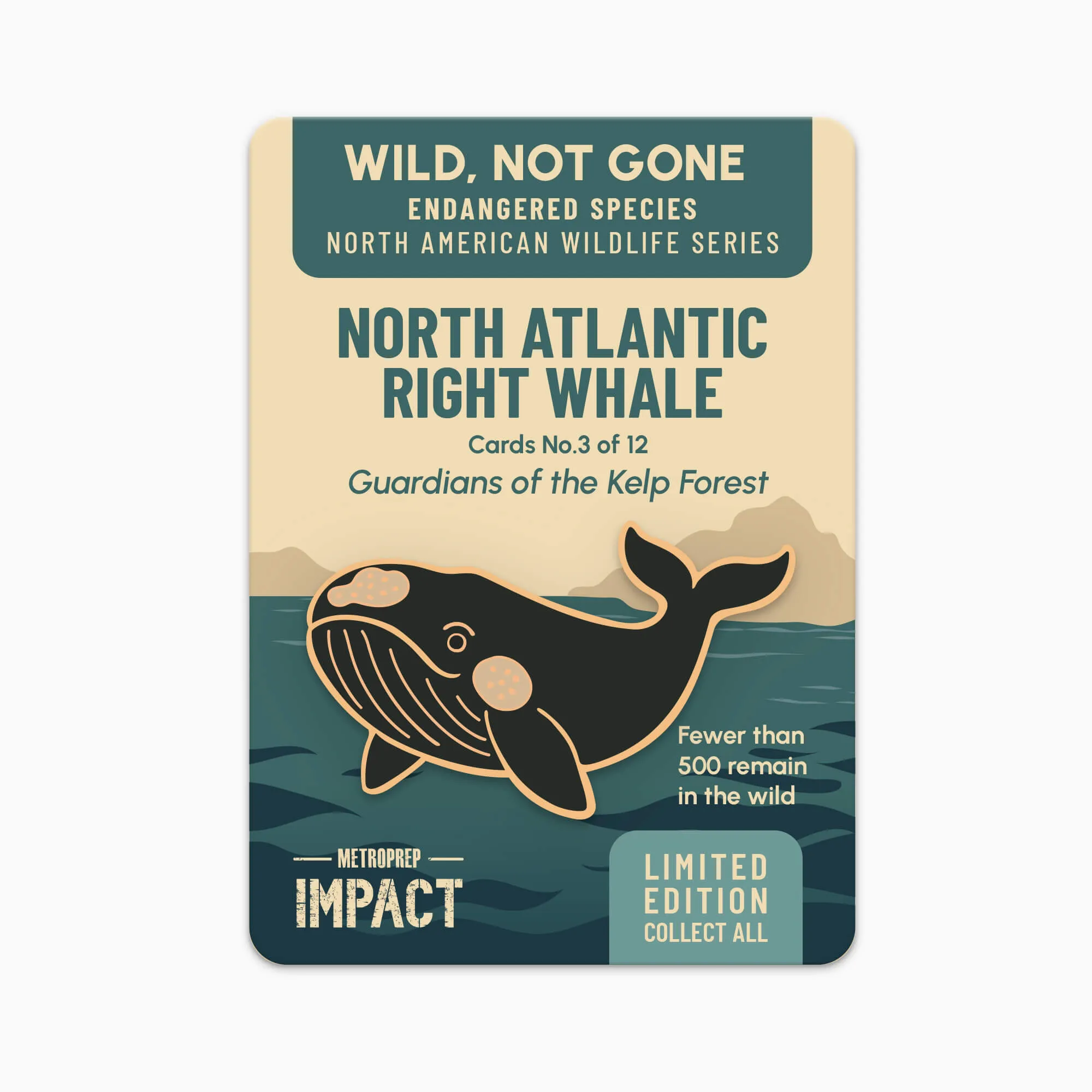
One of the rarest whales, still declining from ship strikes and entanglement.
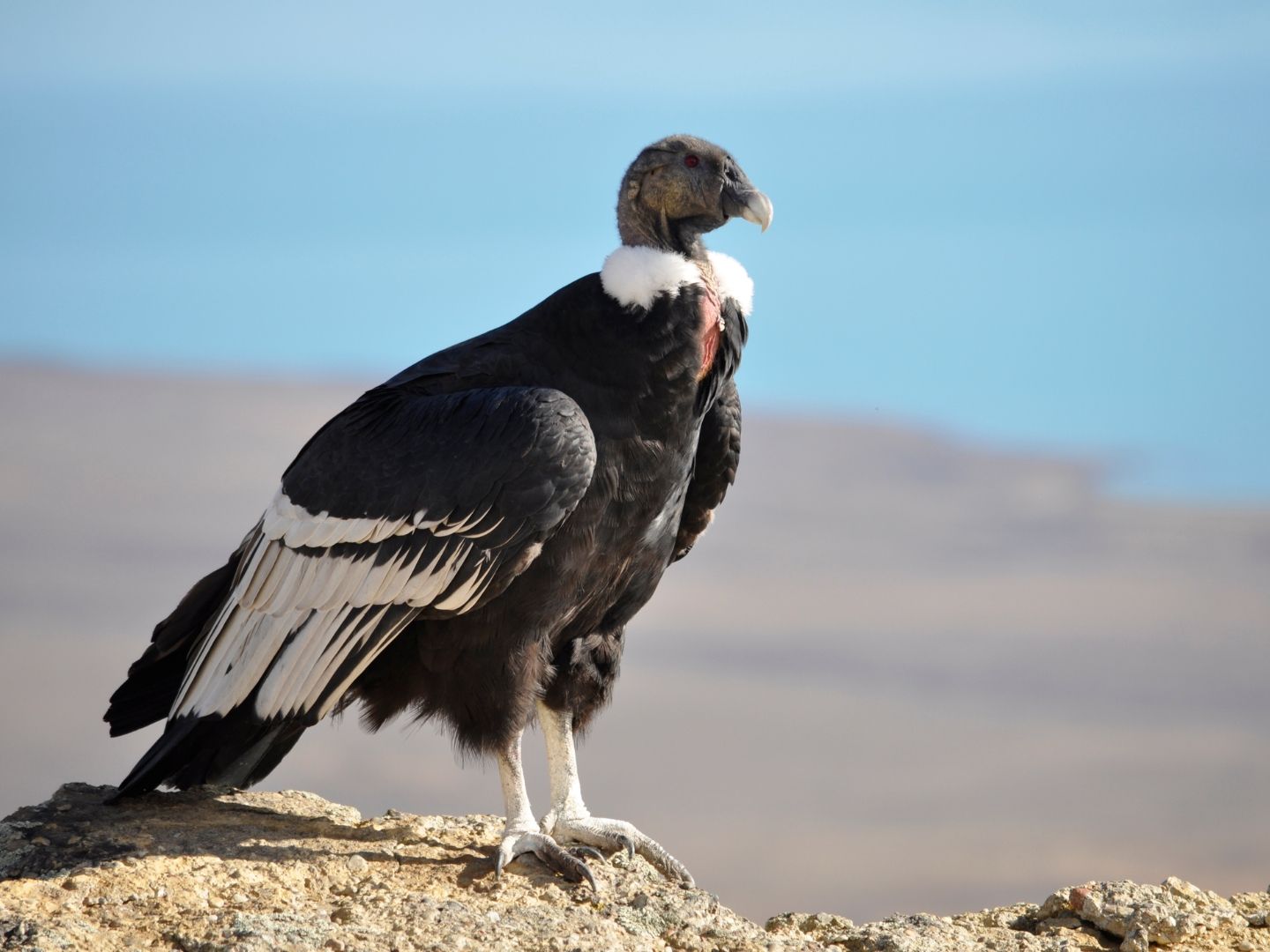
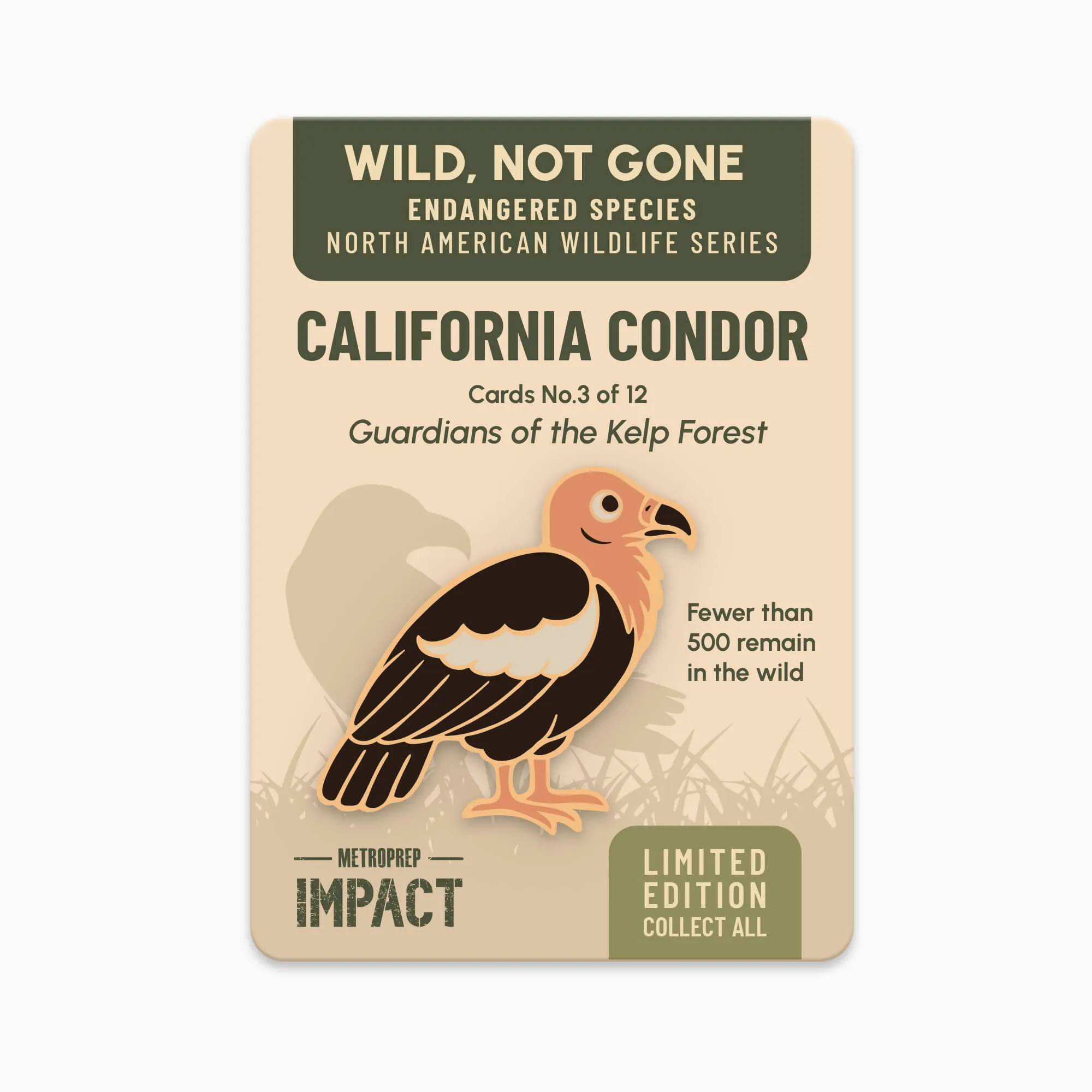
North America's largest soaring bird, surviving through intensive recovery programs.
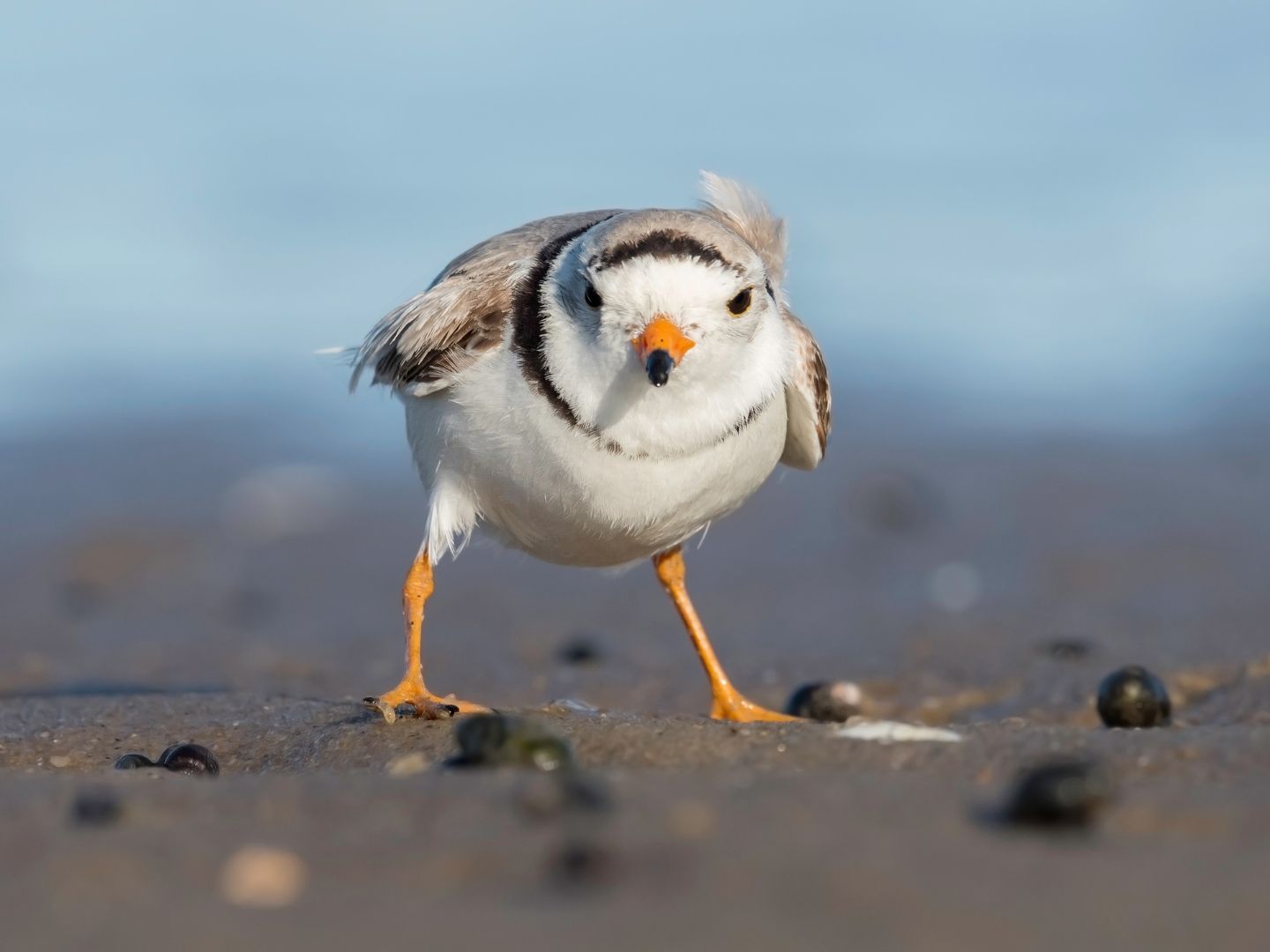
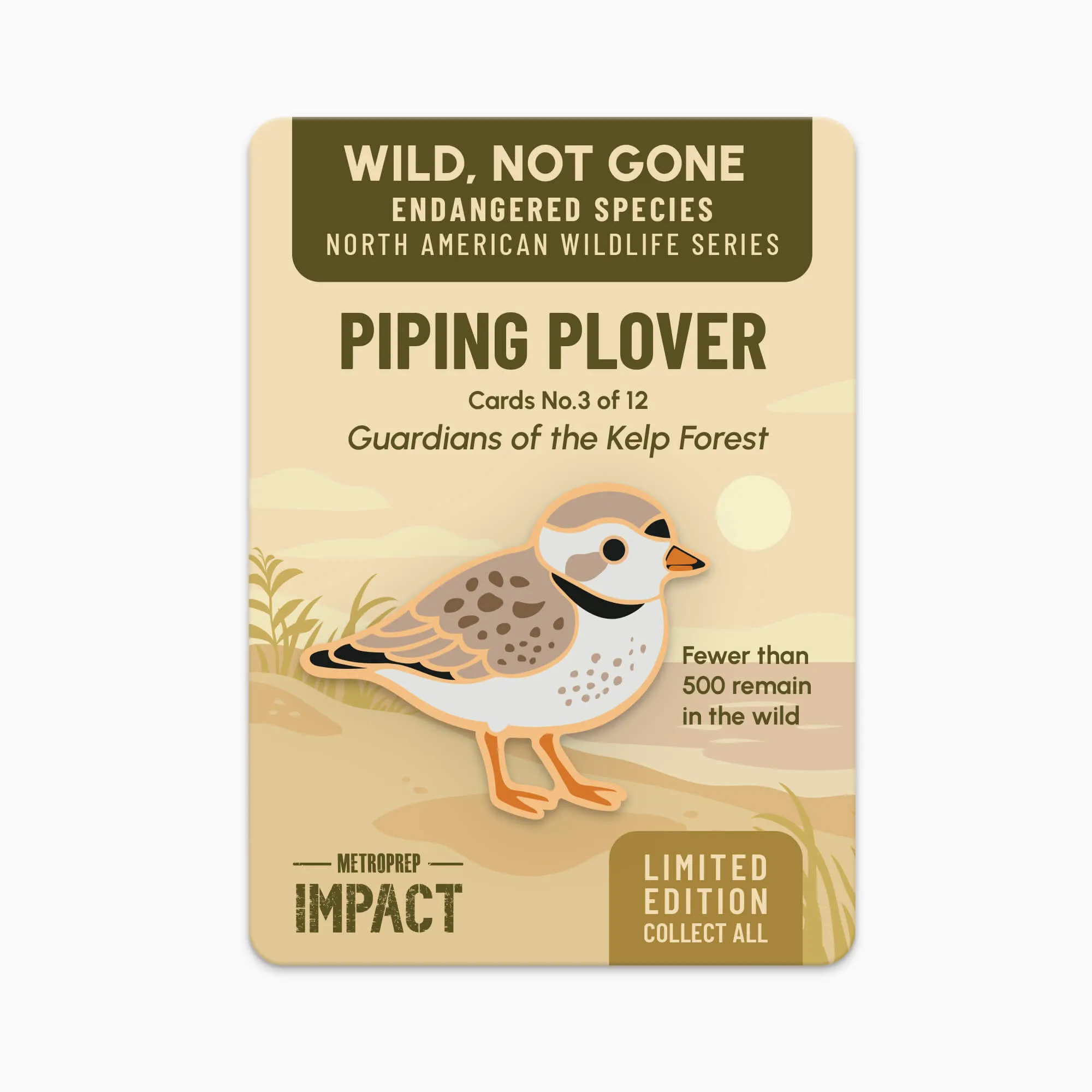
A tiny shorebird whose nesting beaches overlap with human activity.
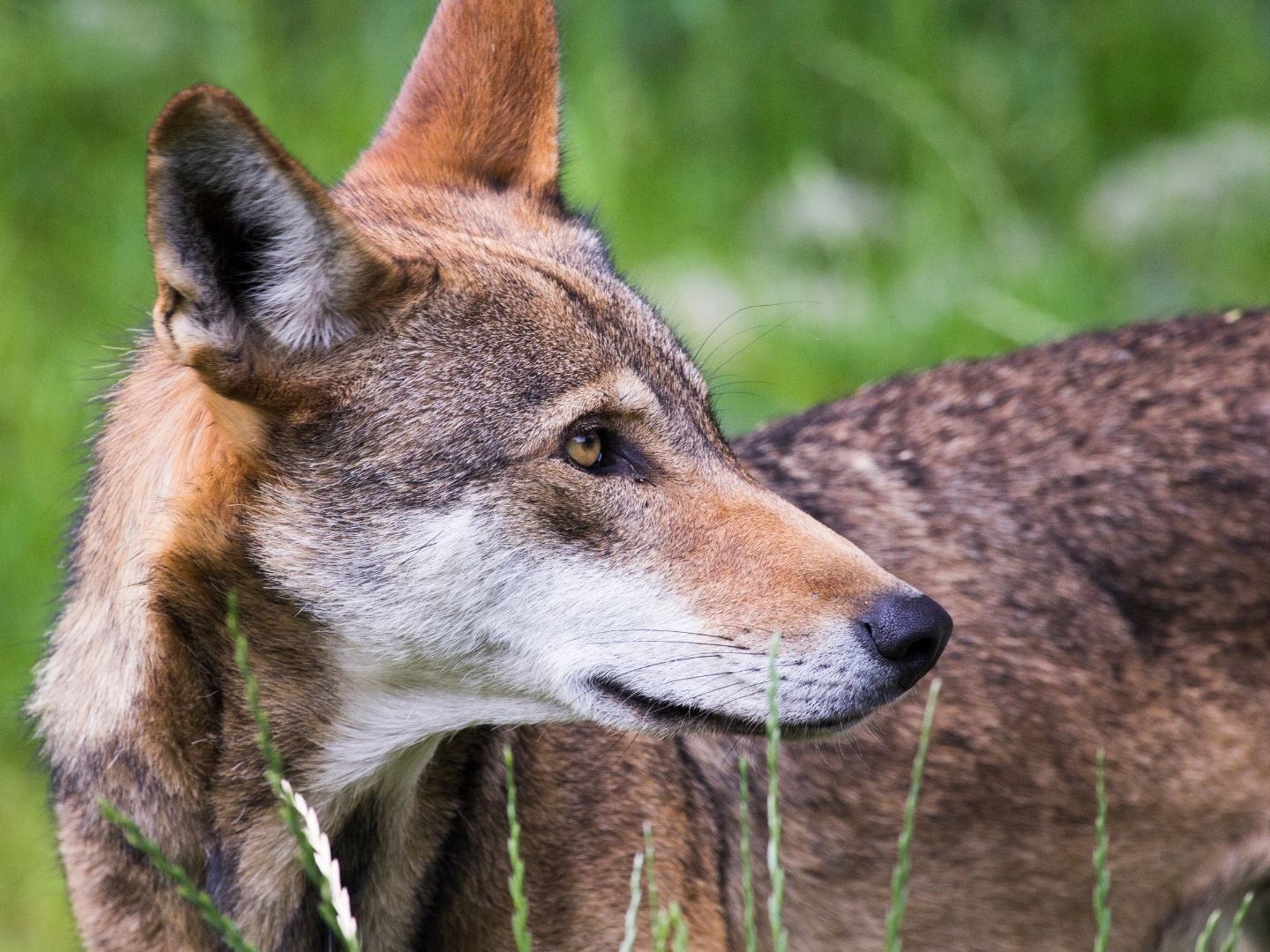
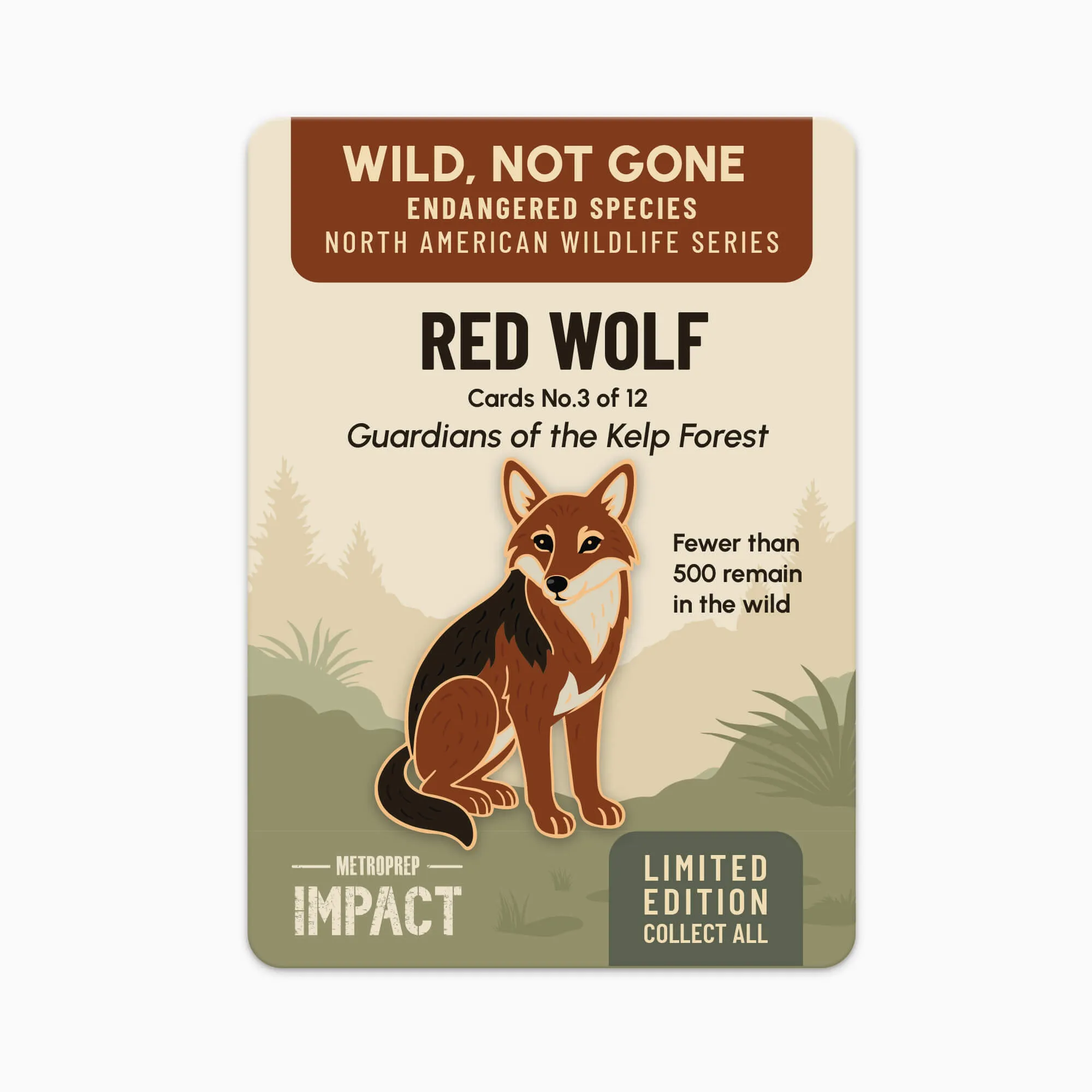
The only wolf native to the Southeast, surviving through captive breeding and reintroduction.
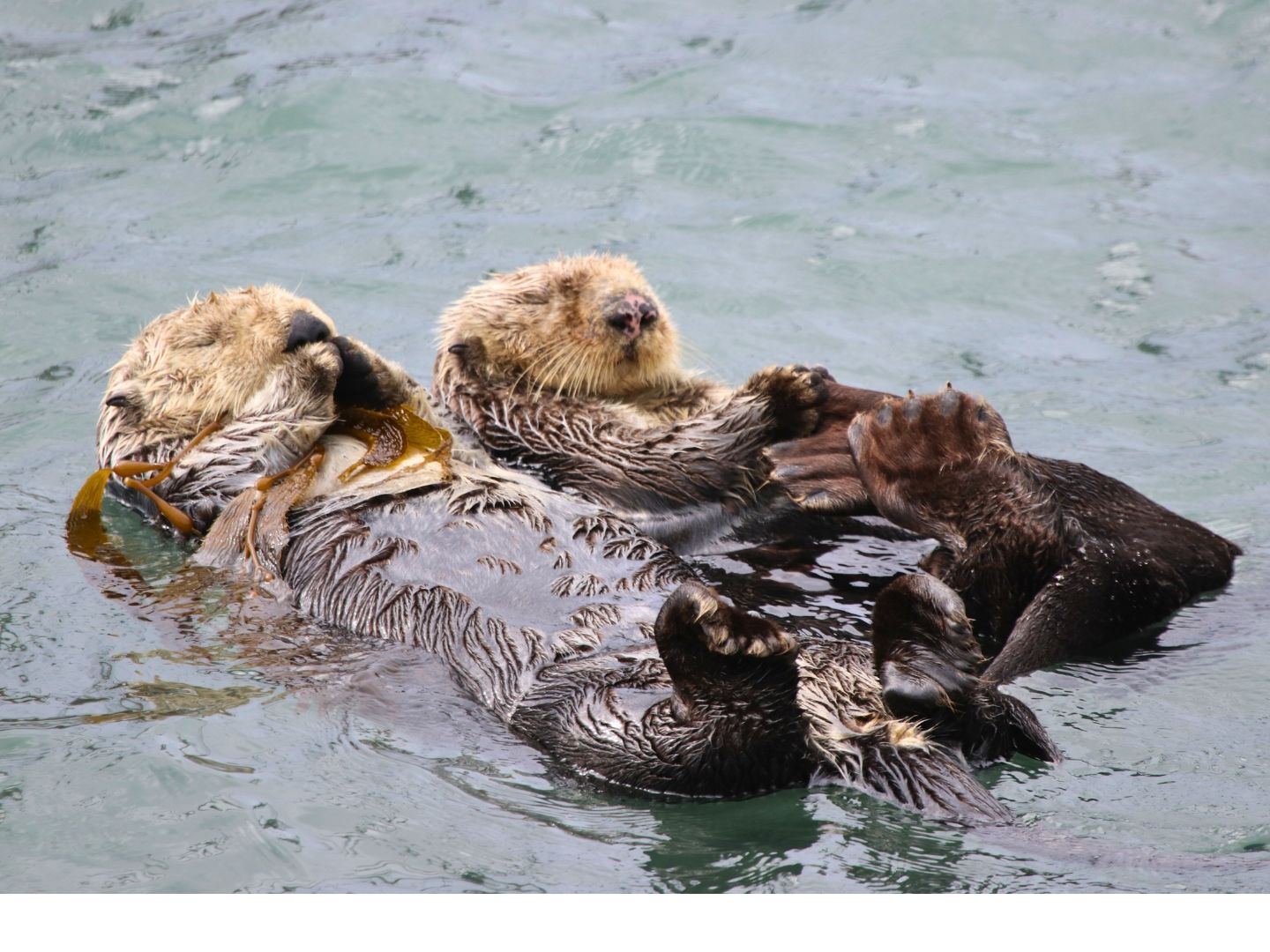
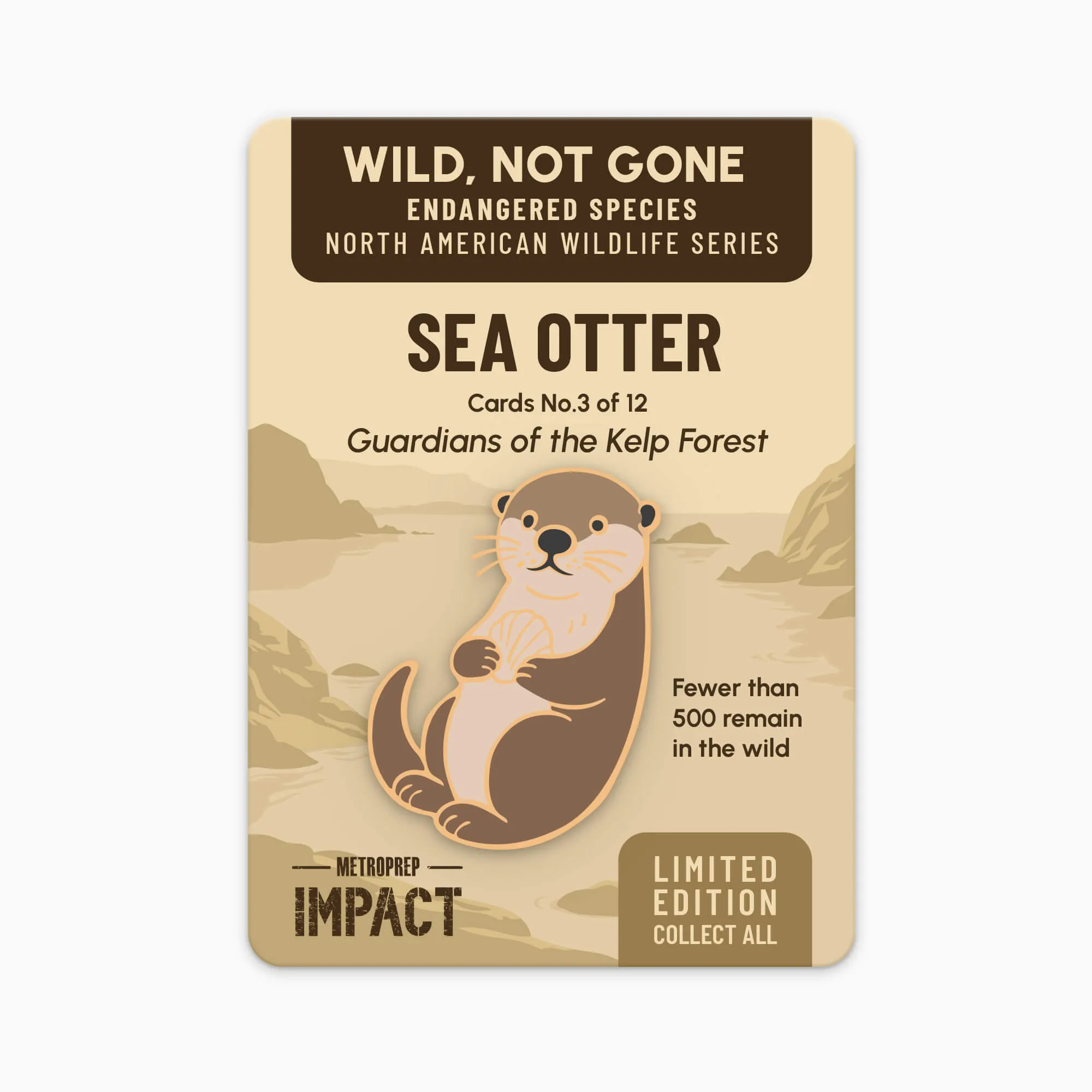
A keystone marine mammal that keeps kelp forests healthy.
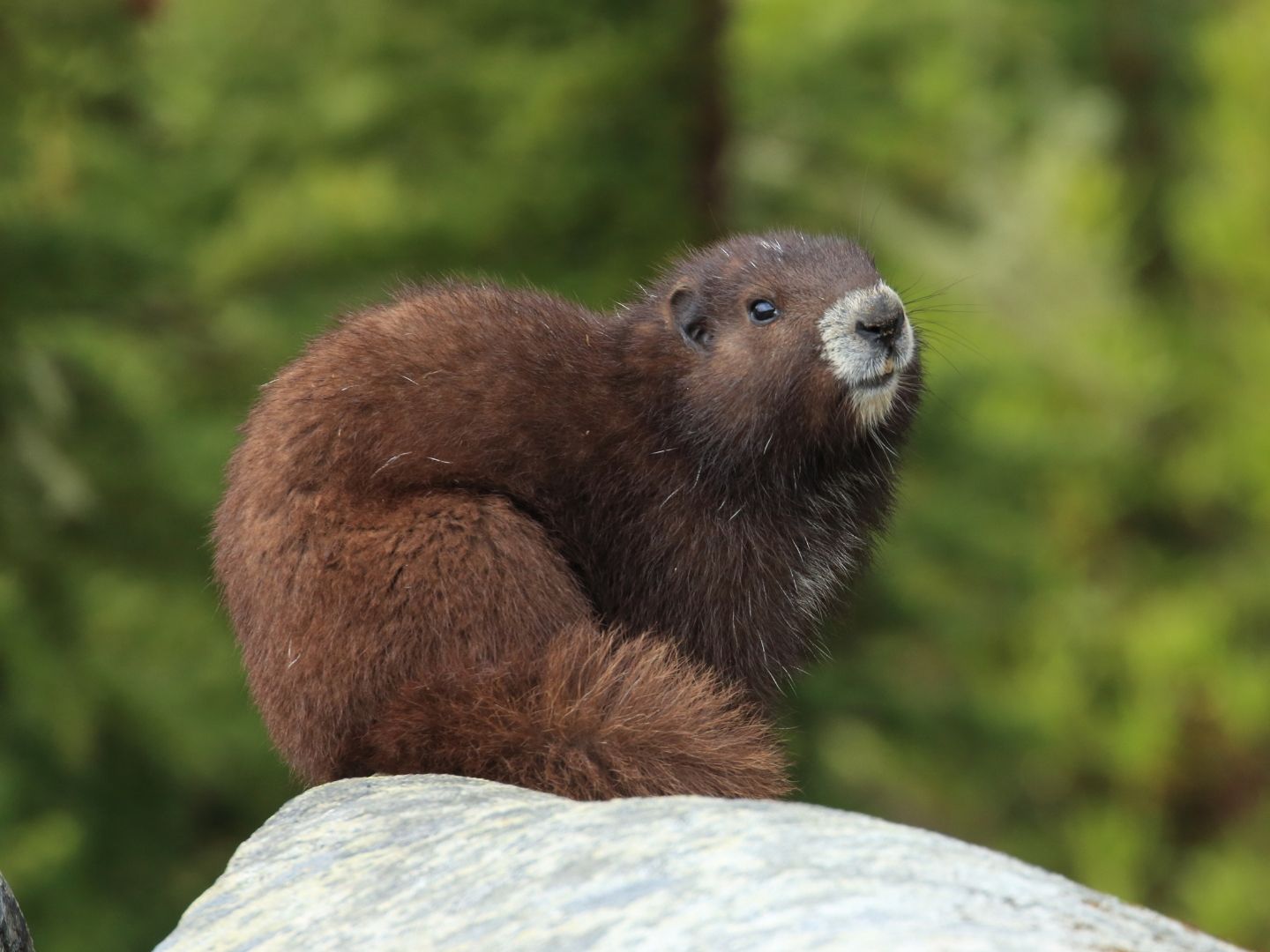
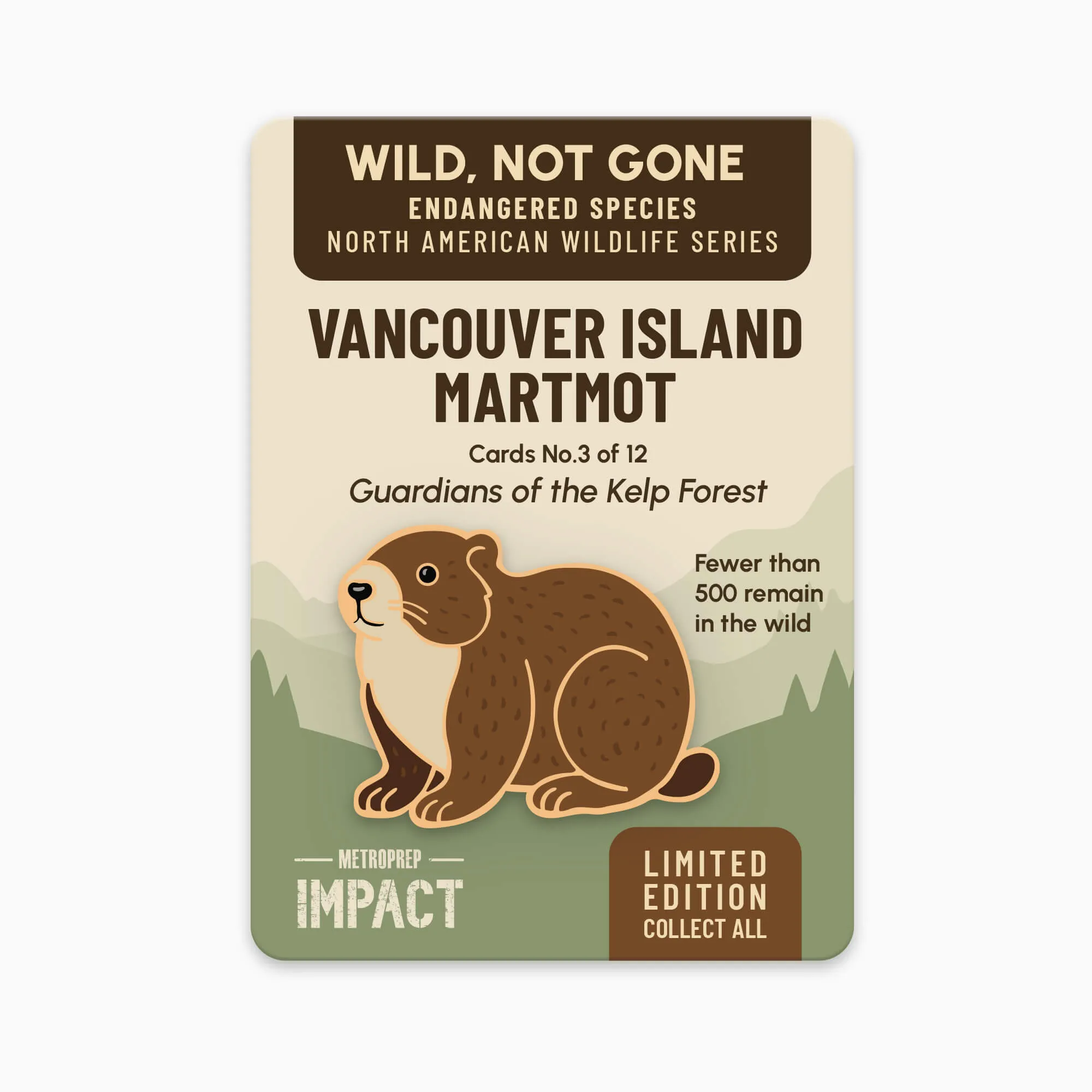
An alpine marmot found only on Vancouver Island, still endangered.
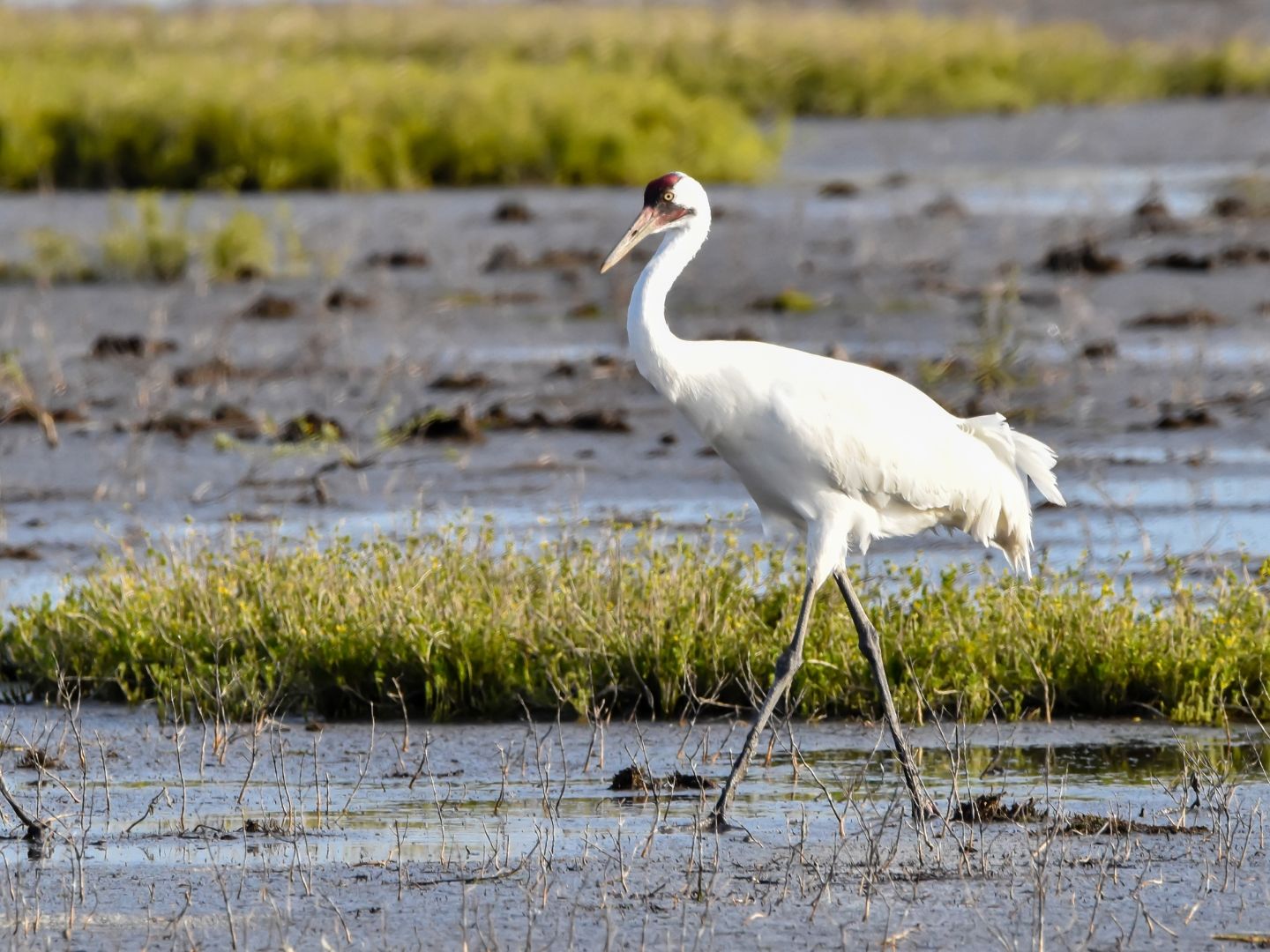
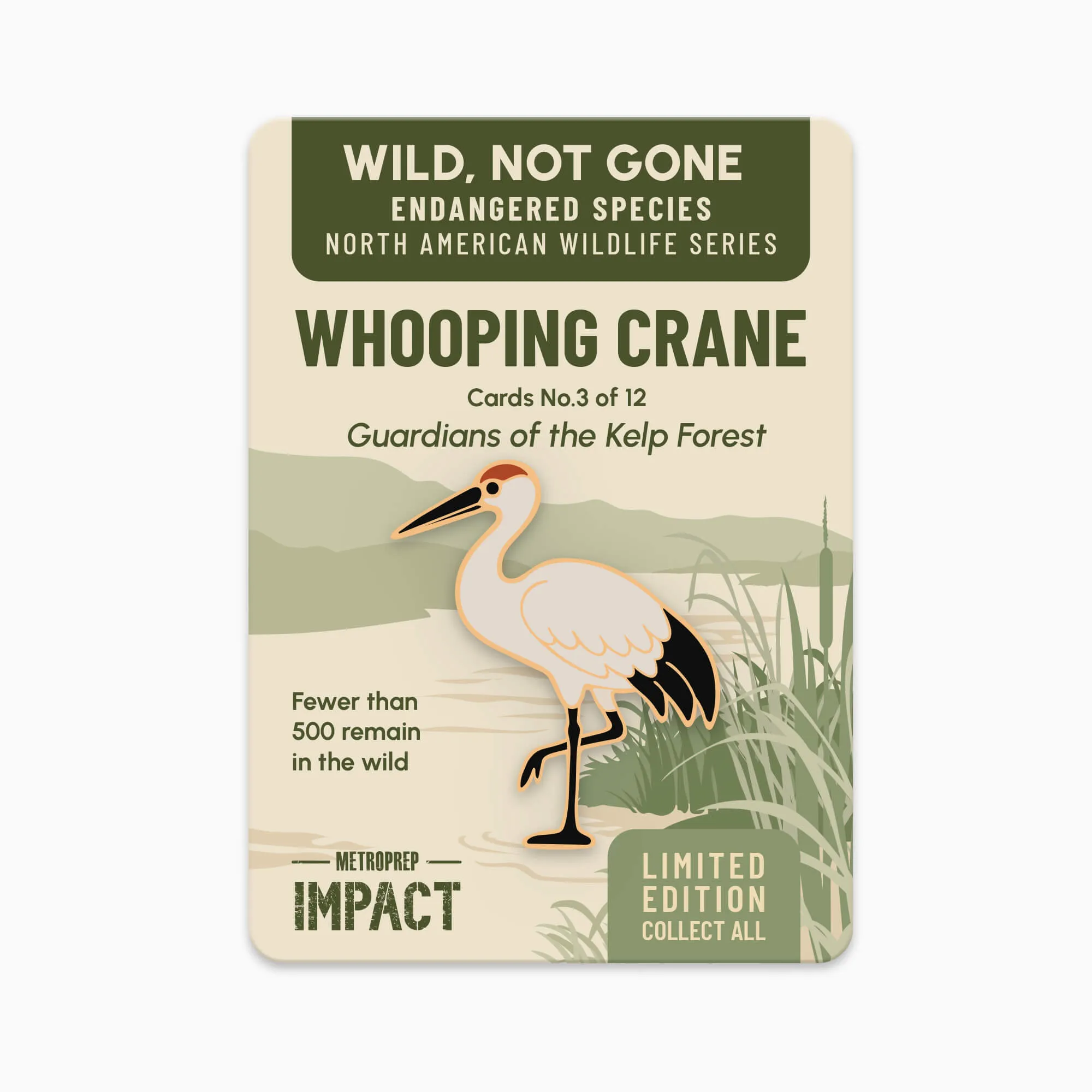
North America's tallest bird, slowly recovering from near extinction.
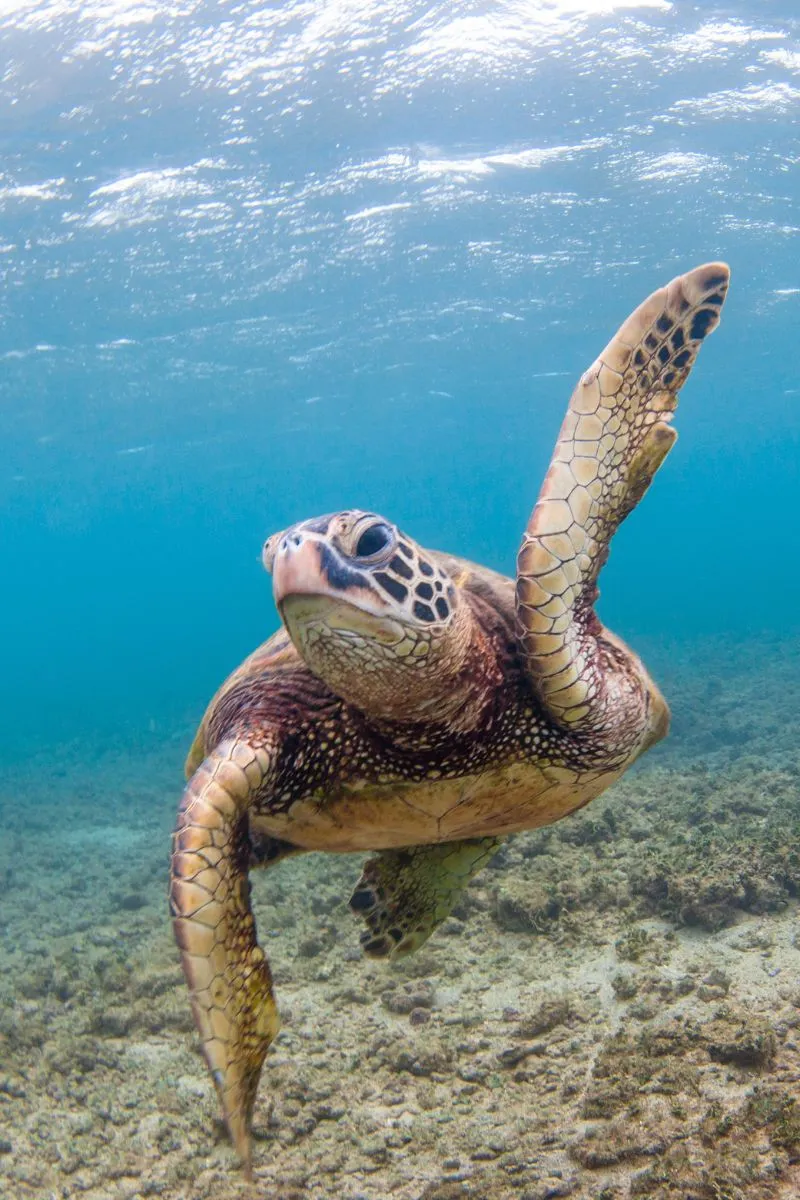
A bespoke coffee table book featuring research, reflections, and narrative writing from Metro Prep students.
Designed to keep species stories visible and spark conversation.
Pins travel with the wearer and invite questions.
Proceeds help fund protection efforts.
Pins, book, and database reinforce each other.
A matching pin for every species in the collection.
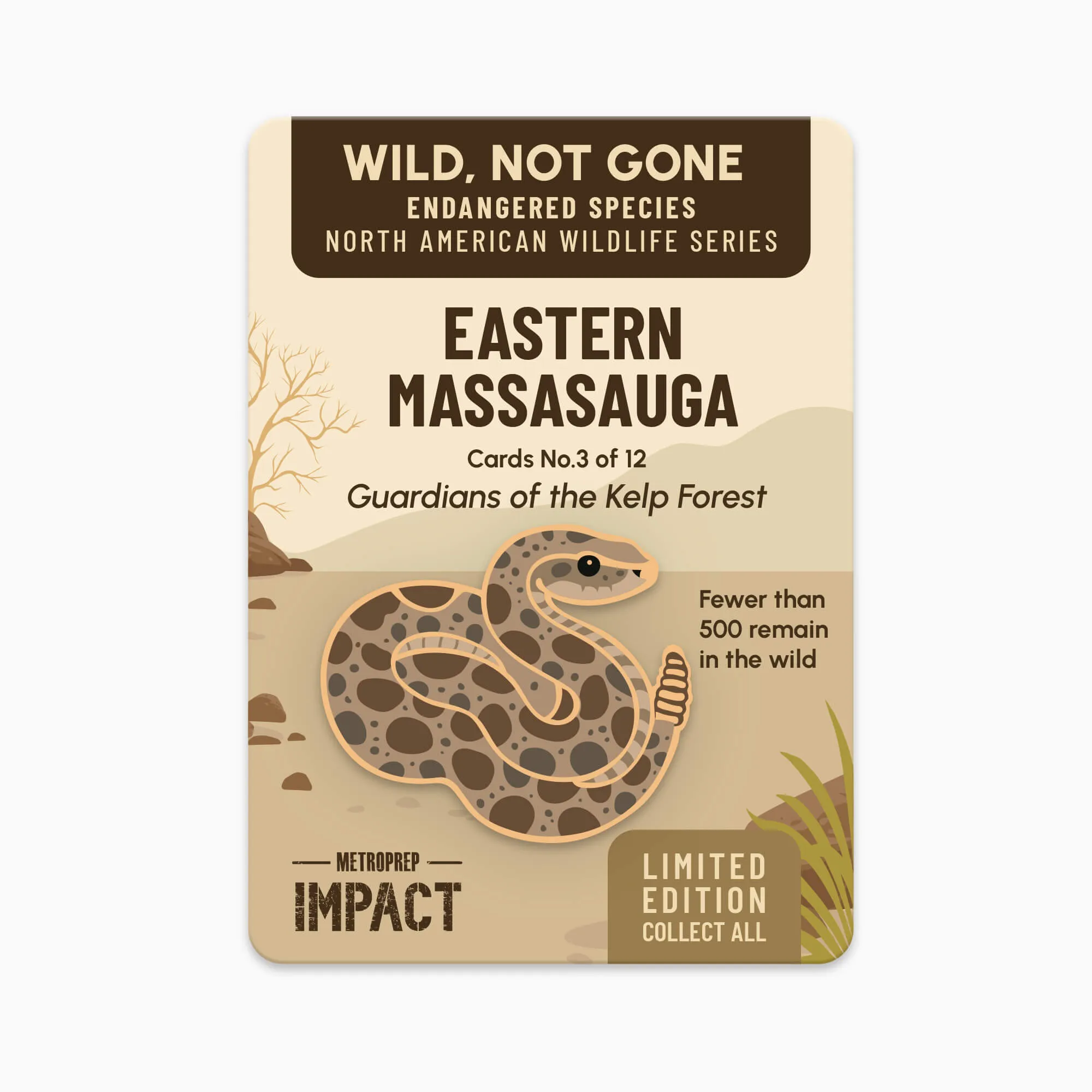
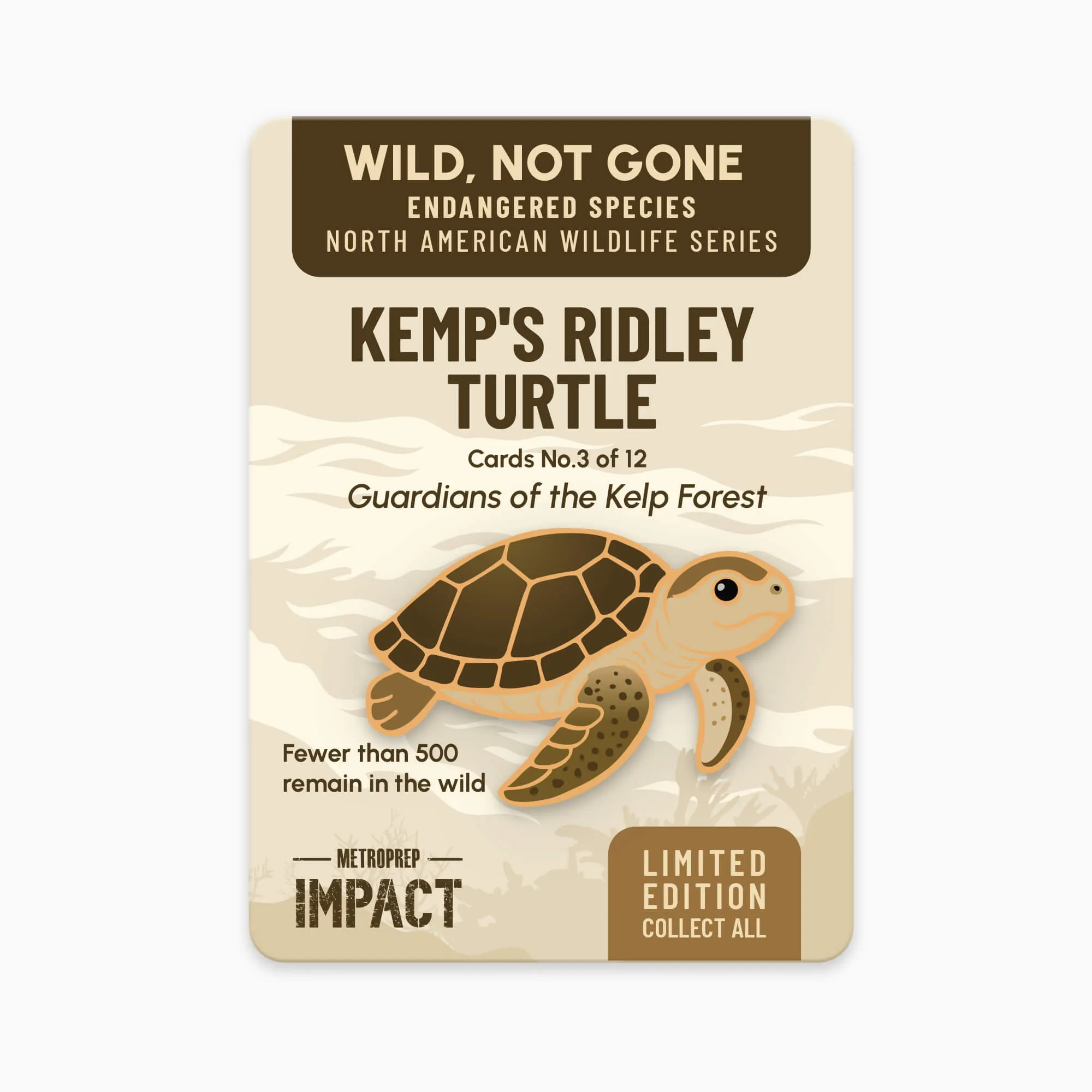
This collection is built within Metro Prep Impact, where students learn to communicate responsibly.
Students evaluate sources and evidence.
Writing is designed for public understanding.
Awareness supports conservation efforts.