Vancouver Island Marmot
Marmota vancouverensis
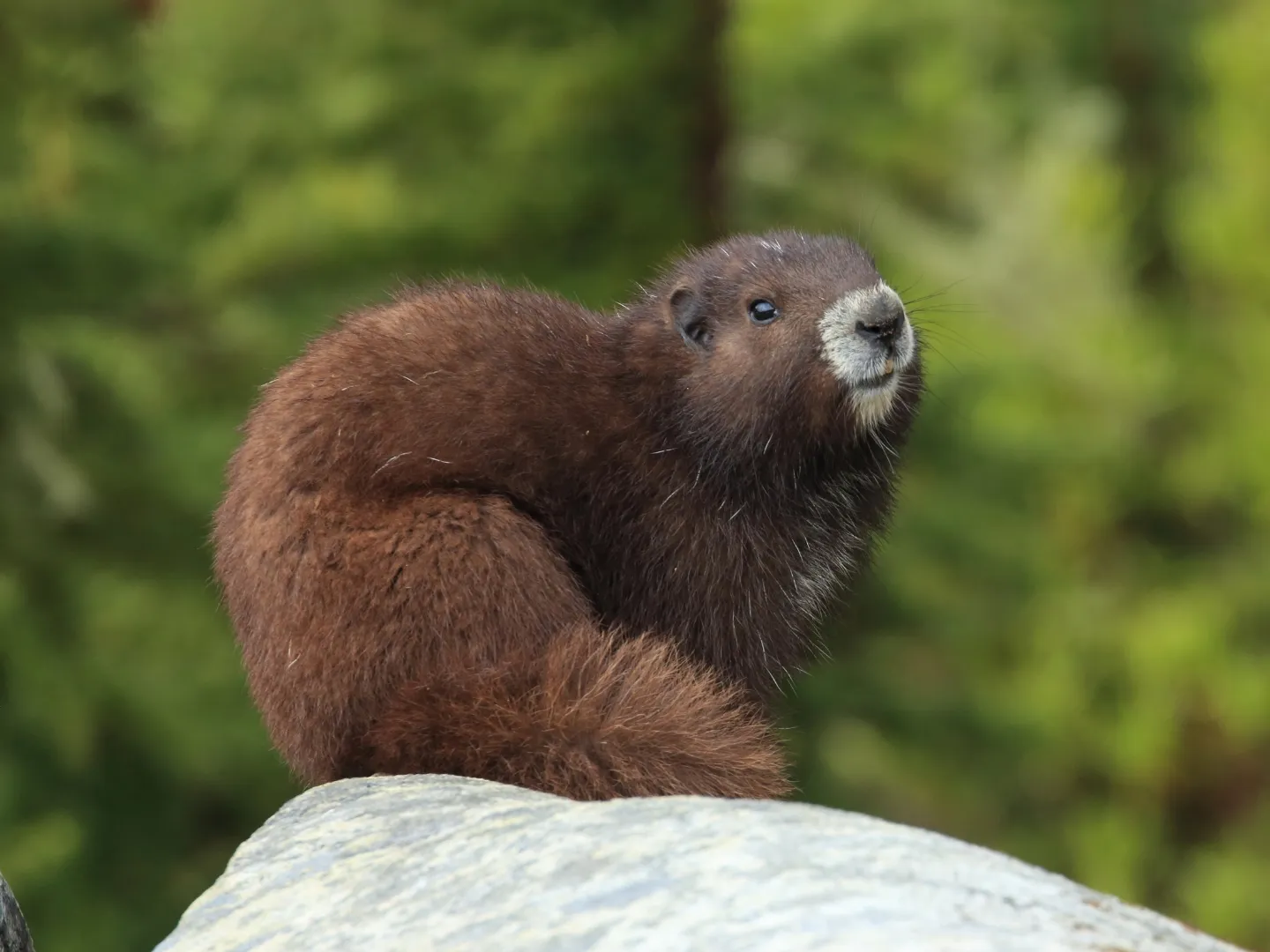
The Vancouver Island marmot is a large alpine ground squirrel found nowhere else on Earth. After dramatic declines, intensive conservation has increased numbers, but the species remains endangered.
Conservation Status
Species Data
Student ResearchEndemic
Only on Vancouver Island
7 months
Hibernation period
>1,000 m
Typical elevation
<30
Wild marmots in early 2000s
What Makes the Vancouver Island Marmot Unique
Traits and behaviors that define this species.
Island endemic
Found nowhere else on Earth.
Alpine specialist
Lives in high-elevation meadows.
Long hibernation
Spends most of the year underground.
Family colonies
Lives in social groups with shared burrows.
Diet & Feeding
Primary food sources and foraging behaviors tailored to their environment.
Mountain herbivore
Feeds on grasses, wildflowers, and leaves.
Root forager
Eats roots and bulbs for energy.
Short season
Must build fat reserves during brief summers.
Habitat & Range
Marmots depend on patchy alpine and subalpine meadows.
High-elevation meadows
Typically above 1,000 metres on Vancouver Island.
Open grassy slopes
Visibility helps detect predators.
Rocky outcrops
Provide shelter and burrow sites.
Limited habitat
Meadow patches are naturally small and isolated.
Geographic Distribution
Historical vs. current territory mapping.
Historical Decline
Marmot numbers plunged unexpectedly in the late 20th century.
Habitat change
Forestry altered alpine meadow conditions.
Predation
Increased predation reduced small populations.
Severe bottleneck
Fewer than 30 marmots remained by the early 2000s.
Recovery response
Captive breeding prevented extinction.
Why This Species Is Endangered
Primary threats and pressure points.
Habitat alteration
Changes in alpine meadows reduce suitable sites.
Predation
Wolves and cougars threaten small colonies.
Climate change
Warmer conditions affect alpine vegetation.
Small population
Limited numbers increase vulnerability.
Why Vancouver Island Marmot Matters
The ecological role and why conservation matters.
Burrowing improves alpine soil health.
Feeding influences alpine plant communities.
Protecting marmots preserves unique biodiversity.
What Can Be Done
Actions that support conservation and awareness.
Protect mountain meadows from disturbance.
Follow guidelines in alpine parks.
Awareness helps plan for alpine change.
Local awareness protects unique wildlife.
Conservation & Recovery
Status, efforts, and organizations protecting this species.
Current Status
Vancouver Island marmots remain endangered and require ongoing management and habitat protection.
Recovery Efforts
Captive breeding
Breeding programs maintain a safety net population.
Reintroduction
Release efforts rebuild wild colonies.
Habitat monitoring
Tracks meadow health and population trends.
Predator management
Protects reintroduced colonies from predation.
Organizations Protecting Vancouver Island Marmot
Marmot Recovery Foundation
Leads captive breeding and recovery programs.
Parks Canada
Protects critical habitat in national parks.
BC Ministry of Water, Land and Resource Stewardship
Supports habitat management and recovery planning.
Metro Prep students research Vancouver Island marmots and contribute to the Wild, Not Gone book, learning how geographic isolation shapes conservation planning.