California Condor
Gymnogyps californianus
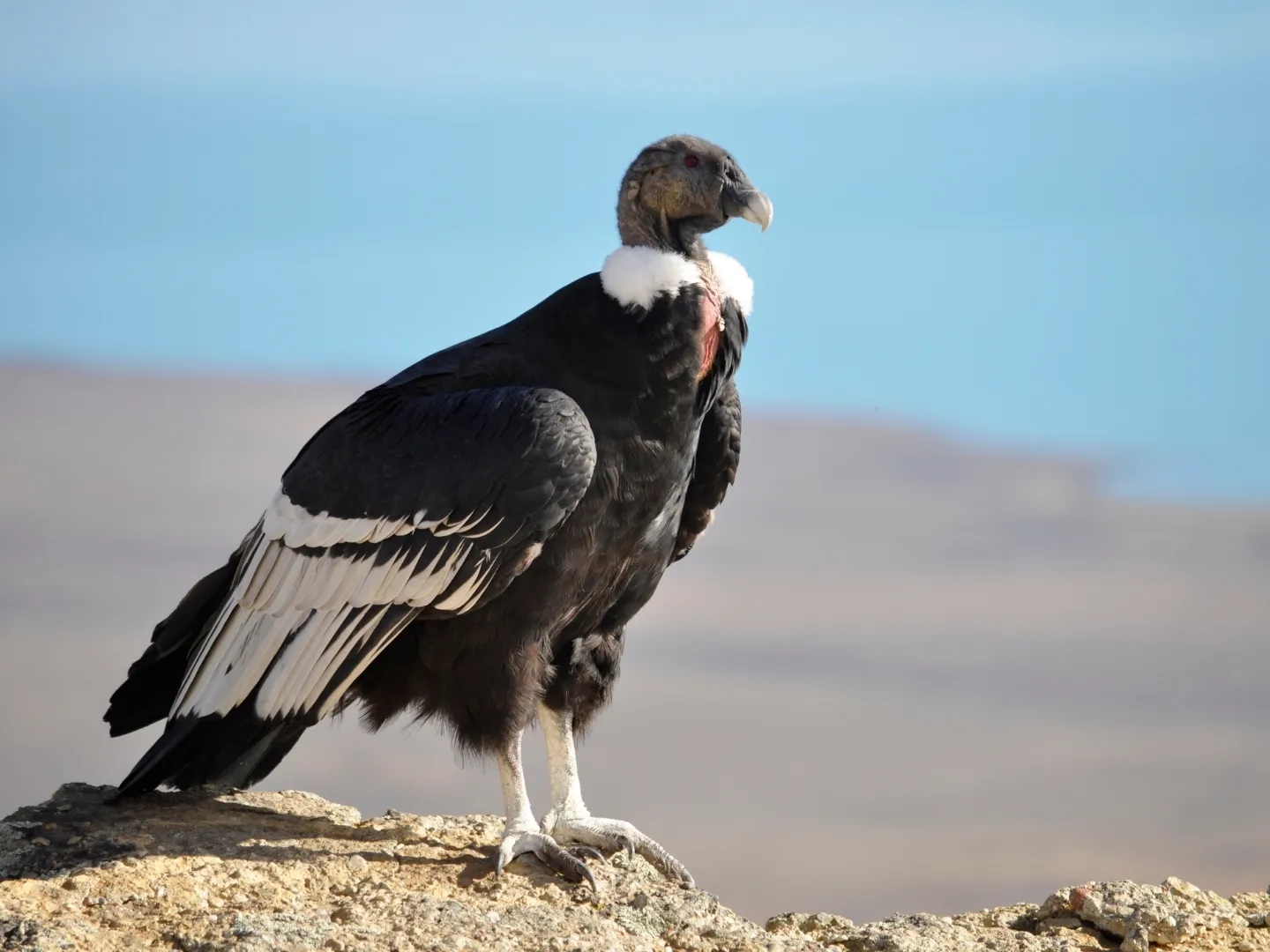
The California condor is the largest flying bird in North America, famous for its soaring wings and scavenging role. After near extinction, the species survives today only through intensive conservation management.
Conservation Status
Species Data
Student Research3 m
Wingspan
60+ yrs
Potential lifespan
1 chick
Every 1-2 years
Hundreds
Current population
What Makes the California Condor Unique
Traits and behaviors that define this species.
Largest flier
Soars on thermal air currents with little flapping.
Scavenger diet
Feeds almost entirely on carrion.
Slow reproduction
Raises only one chick every one to two years.
Long-lived
Individuals can live more than 60 years.
Diet & Feeding
Primary food sources and foraging behaviors tailored to their environment.
Carrion feeders
Consume deer, elk, livestock, and marine mammal carcasses.
Ecosystem cleanup
Reduce disease spread by removing dead animals.
Toxin exposure
Vulnerable to contaminants in carcasses.
Habitat & Range
Condors survive in carefully managed regions of western North America.
Western ranges
Southern and central California, Arizona, Utah, and Baja California.
Cliffs and canyons
Nest on rocky cliffs with open grasslands nearby.
Large territories
Require vast landscapes to find carrion.
Geographic Distribution
Historical vs. current territory mapping.
Historical Decline
Condors vanished from most of North America due to human impacts.
Habitat loss
Expansion and persecution reduced habitat and survival.
Toxic exposure
Contaminants and shooting accelerated declines.
Last-resort capture
By 1987, only 27 condors remained and were taken into captivity.
Why This Species Is Endangered
Primary threats and pressure points.
Lead poisoning
Lead fragments in carcasses remain the biggest threat.
Power line collisions
Large wingspans increase collision risk.
Habitat fragmentation
Limits safe foraging territory.
Slow recovery
Low reproduction slows population growth.
Why California Condor Matters
The ecological role and why conservation matters.
Condors reflect the condition of the ecosystems they roam.
Scavenging recycles nutrients back into food webs.
An irreplaceable symbol of North America's wildlife.
What Can Be Done
Actions that support conservation and awareness.
Reduces toxic exposure from carcasses.
Protects vast landscapes condors need.
Limit pollutants that enter food chains.
Public awareness strengthens conservation support.
Conservation & Recovery
Status, efforts, and organizations protecting this species.
Current Status
California condors are critically endangered and depend on ongoing monitoring, veterinary care, and habitat protection to survive.
Recovery Efforts
Captive breeding
Specialized breeding programs rebuild populations.
Reintroduction
Condors released into protected habitats across the West.
Tracking and care
Every wild condor is monitored and treated for lead.
Lead-free outreach
Education on alternatives to lead ammunition.
Organizations Protecting California Condor
U.S. Fish and Wildlife Service
Coordinates the California Condor Recovery Program.
Ventana Wildlife Society
Leads condor recovery in central California.
San Diego Zoo Wildlife Alliance
Operates key captive breeding programs.
Peregrine Fund
Supports reintroduction efforts in the Southwest.
Metro Prep students research California condors and write for the Wild, Not Gone book, learning how science, policy, and public awareness shape species recovery.