The Wild, Not Gone Book
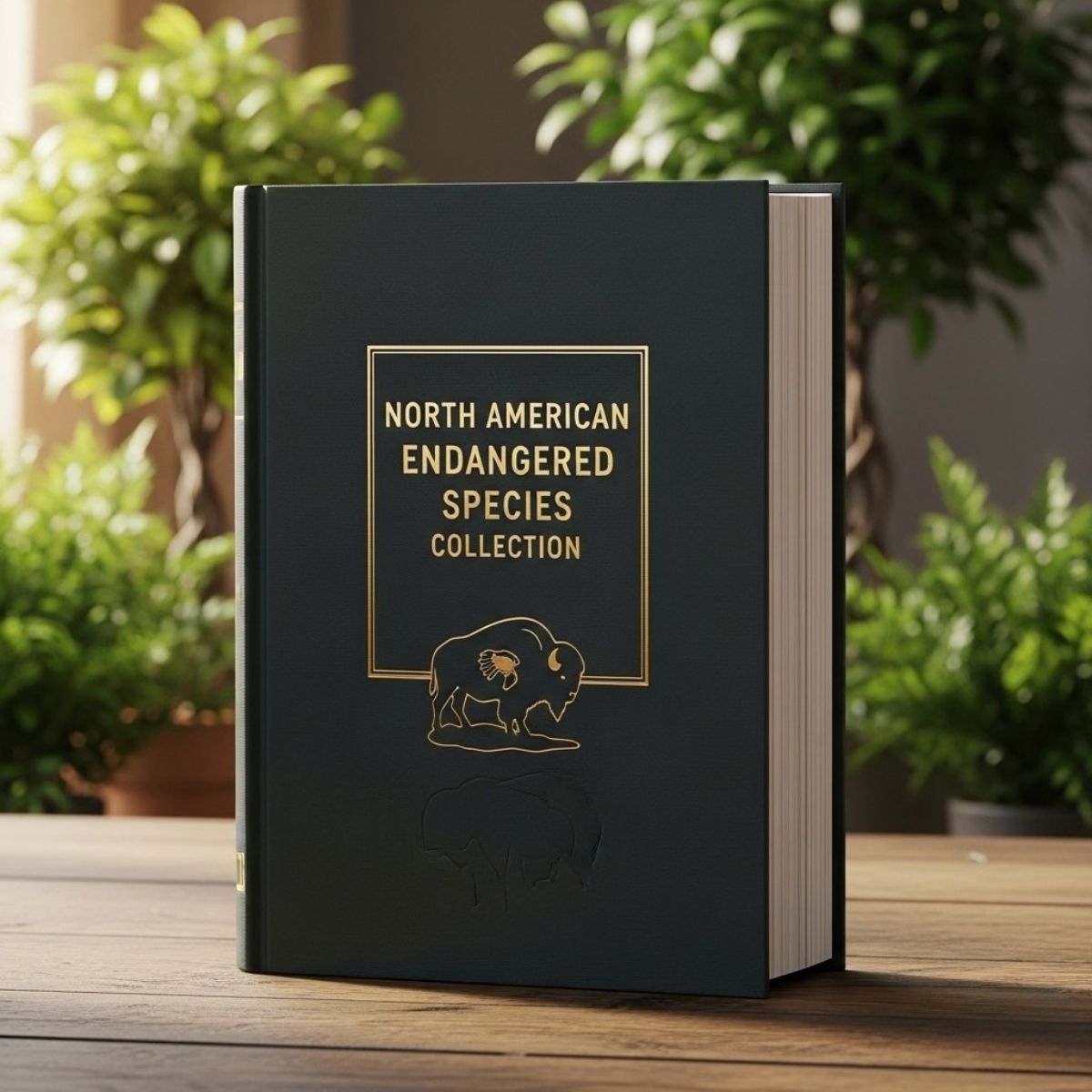
A bespoke coffee table book written by Metro Prep students to make endangered species visible and supported.
12
Species chapters
North American set
Student-made
Core voice
Research + writing
Dual purpose
Education + fundraising
Support conservation
Coffee table
Format
Designed to be shared
Built by Students, Designed for Impact
The book combines research, clear explanations, and student narratives.
What the Book Includes
Every chapter balances information with human understanding.
Clear introductions to each animal.
Where each species lives and why it matters.
Key threats and conservation status.
Original narratives and interpretations.
The 12 Featured Species
The first edition highlights endangered North American species.
The black-footed ferret is a rare prairie predator whose survival depends on prairie dog colonies. Once thought extinct, it now survives through careful breeding and reintroduction programs.
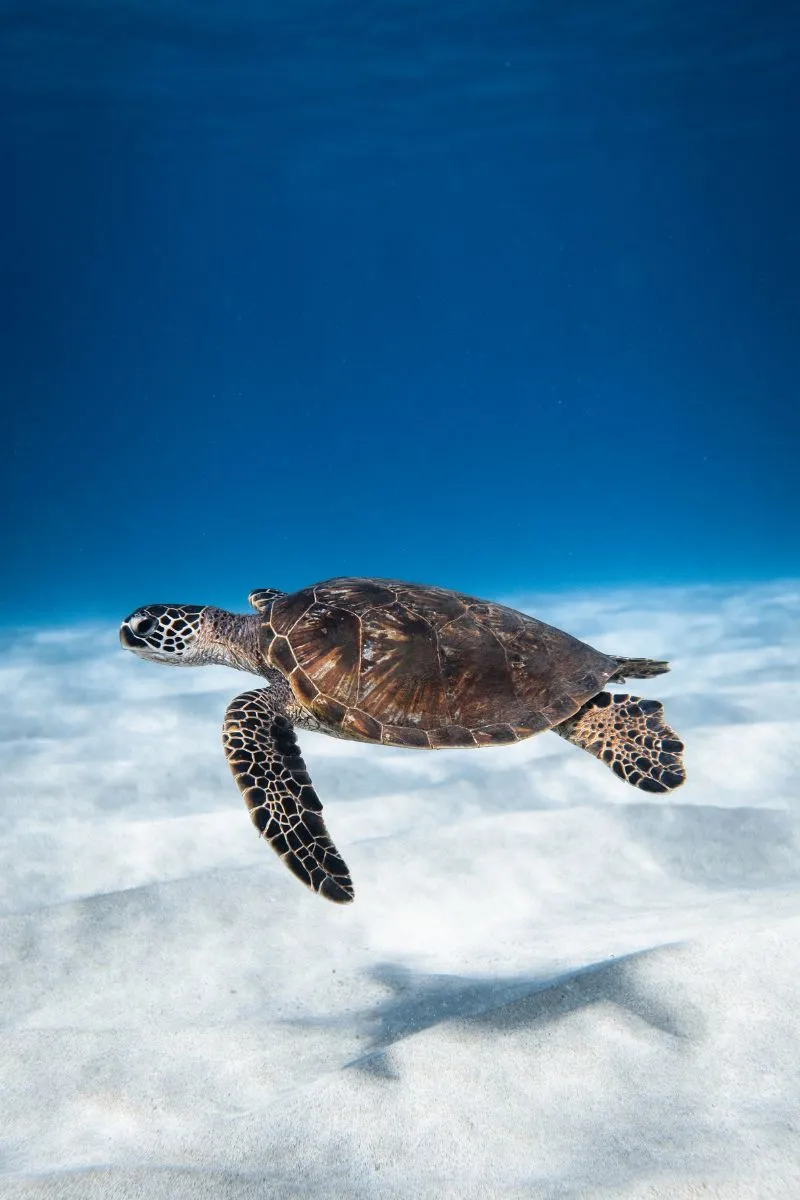
Kemp's ridley is the smallest and rarest sea turtle, best known for dramatic arribada nesting events. After near extinction, it remains critically endangered and relies on international conservation efforts.
The eastern massasauga is a small, shy rattlesnake that lives in wetland and grassland habitats of central and eastern North America. Misunderstanding and habitat loss have made it one of the most endangered snakes on the continent.
The Florida panther is a rare subspecies of cougar found only in southern Florida. Although conservation work has helped prevent extinction, the population remains endangered and depends on connected habitat.
The monarch butterfly is known for its bright wings and long-distance migration across North America. Habitat loss and the decline of milkweed have driven dramatic population drops in recent decades.
The North Atlantic right whale is one of the rarest large whales on Earth, living along the Atlantic coast of North America. Despite protection from whaling, modern threats like shipping and fishing gear continue to drive the population downward.
The California condor is the largest flying bird in North America, famous for its soaring wings and scavenging role. After near extinction, the species survives today only through intensive conservation management.
The piping plover is a small, pale shorebird that nests on open sand along coasts and inland shorelines. Because its habitat overlaps with busy human beaches, this resilient bird remains one of North America's most vulnerable species.
The red wolf is one of the rarest canids in the world and the only wolf species native to the southeastern United States. After extinction in the wild, recovery now depends on captive breeding and a small reintroduced population.
The sea otter is a marine mammal of the North Pacific whose survival keeps kelp forests alive and coastal ecosystems balanced. Though some populations have recovered, many remain threatened by pollution, habitat damage, and changing oceans.
The Vancouver Island marmot is a large alpine ground squirrel found nowhere else on Earth. After dramatic declines, intensive conservation has increased numbers, but the species remains endangered.
The whooping crane is the tallest bird in North America, known for its trumpet-like call and long migration. After dropping to just a few dozen birds, the species is recovering slowly but remains endangered.
Why a Book?
Books slow people down and invite deeper learning.
Encourages thoughtful reading and re-reading.
Lives on tables and shelves, sparking conversation.
Transforms research into something lasting.
Fundraising With Purpose
Proceeds support conservation efforts connected to featured species.
Supports land and ecosystem conservation.
Funds science-based recovery work.
Keeps endangered species visible.
Explore the Book and the Cause
What students learn, they can share. What we share, others can protect.