Sea Otter
Enhydra lutris
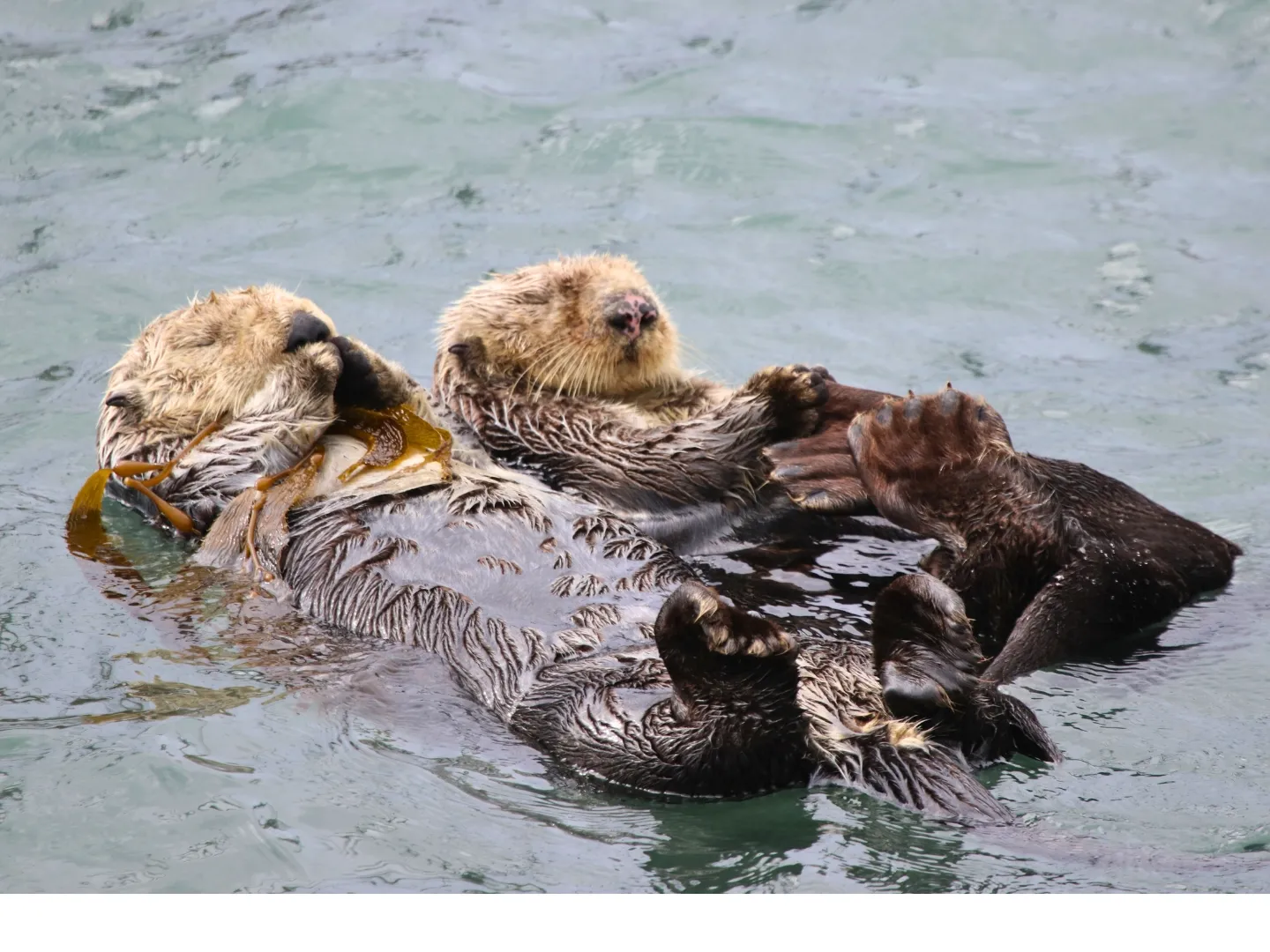
The sea otter is a marine mammal of the North Pacific whose survival keeps kelp forests alive and coastal ecosystems balanced. Though some populations have recovered, many remain threatened by pollution, habitat damage, and changing oceans.
Conservation Status
Species Data
Student Research1M
Hairs per sq. inch
Dense fur replaces blubber
25-30%
Daily food intake
Of body weight
North Pacific
Primary range
Keystone
Ecosystem role
What Makes the Sea Otter Unique
Traits and behaviors that define this species.
Tool user
Uses rocks to open shellfish, a rare behavior among mammals.
Fur-powered warmth
Relies on the densest fur of any animal instead of blubber.
Life on the water
Feeds, rests, and grooms almost entirely at sea.
Kelp anchors
Wraps in kelp while resting to avoid drifting away.
Diet & Feeding
Primary food sources and foraging behaviors tailored to their environment.
Shellfish specialists
Feed on sea urchins, crabs, clams, mussels, and snails.
Urchin control
By eating urchins, they prevent kelp forests from being overgrazed.
Constant foraging
Must eat daily to stay warm because they lack blubber.
Habitat & Range
Sea otters live in shallow coastal waters where kelp forests create shelter and food-rich ecosystems.
North Pacific coastline
Populations stretch from Alaska and British Columbia to Washington and California.
Kelp forest neighborhoods
Dense kelp beds provide food, protection, and biodiversity.
Nearshore clean waters
Healthy coastal water quality is essential for fur insulation and prey.
Geographic Distribution
Historical vs. current territory mapping.
Historical Decline
Sea otters were once abundant across the North Pacific before intensive hunting.
Fur trade devastation
Hunted heavily in the 1700s and 1800s for their pelts.
Early 1900s collapse
Only small, isolated groups survived after commercial hunting.
Protection and recovery
International protections allowed partial rebounds, though uneven.
Why This Species Is Endangered
Primary threats and pressure points.
Oil spills
Oil damages fur insulation, leading to hypothermia.
Pollution and runoff
Toxins and sewage weaken immune systems and prey.
Fishing gear
Entanglement and bycatch remain serious risks.
Climate change
Shifts prey availability and destabilizes kelp habitat.
Why Sea Otter Matters
The ecological role and why conservation matters.
Protects kelp forests that support hundreds of marine species.
Healthy kelp forests store carbon and reduce coastal erosion.
Population health reflects the condition of nearshore ecosystems.
What Can Be Done
Actions that support conservation and awareness.
Support conservation of kelp forests and nearshore ecosystems.
Limit runoff and plastic waste entering the ocean.
Support regulations that prevent oil spills and overfishing.
Understanding food webs helps build long-term awareness.
Conservation & Recovery
Status, efforts, and organizations protecting this species.
Current Status
Southern sea otter populations in California remain threatened, while northern populations vary from stable to vulnerable depending on region.
Recovery Efforts
Marine protected areas
Safeguard key kelp forest habitat and prey abundance.
Oil spill response
Preparedness plans reduce the impact of coastal accidents.
Monitoring and research
Tracking population health guides recovery strategies.
Rescue and rehabilitation
Specialized centers care for injured and orphaned otters.
Organizations Protecting Sea Otter
Monterey Bay Aquarium
Leads rescue, rehabilitation, and research for southern sea otters.
U.S. Fish and Wildlife Service
Oversees legal protection, recovery planning, and habitat management.
Oceans Canada
Protects coastal ecosystems vital to British Columbia populations.
Alaska SeaLife Center
Provides marine mammal research, rescue, and public education.
Metro Prep students research sea otters and contribute educational writing to the student-created Wild, Not Gone conservation book, learning how coastal ecosystems connect to conservation decisions.