Florida Panther
Puma concolor coryi
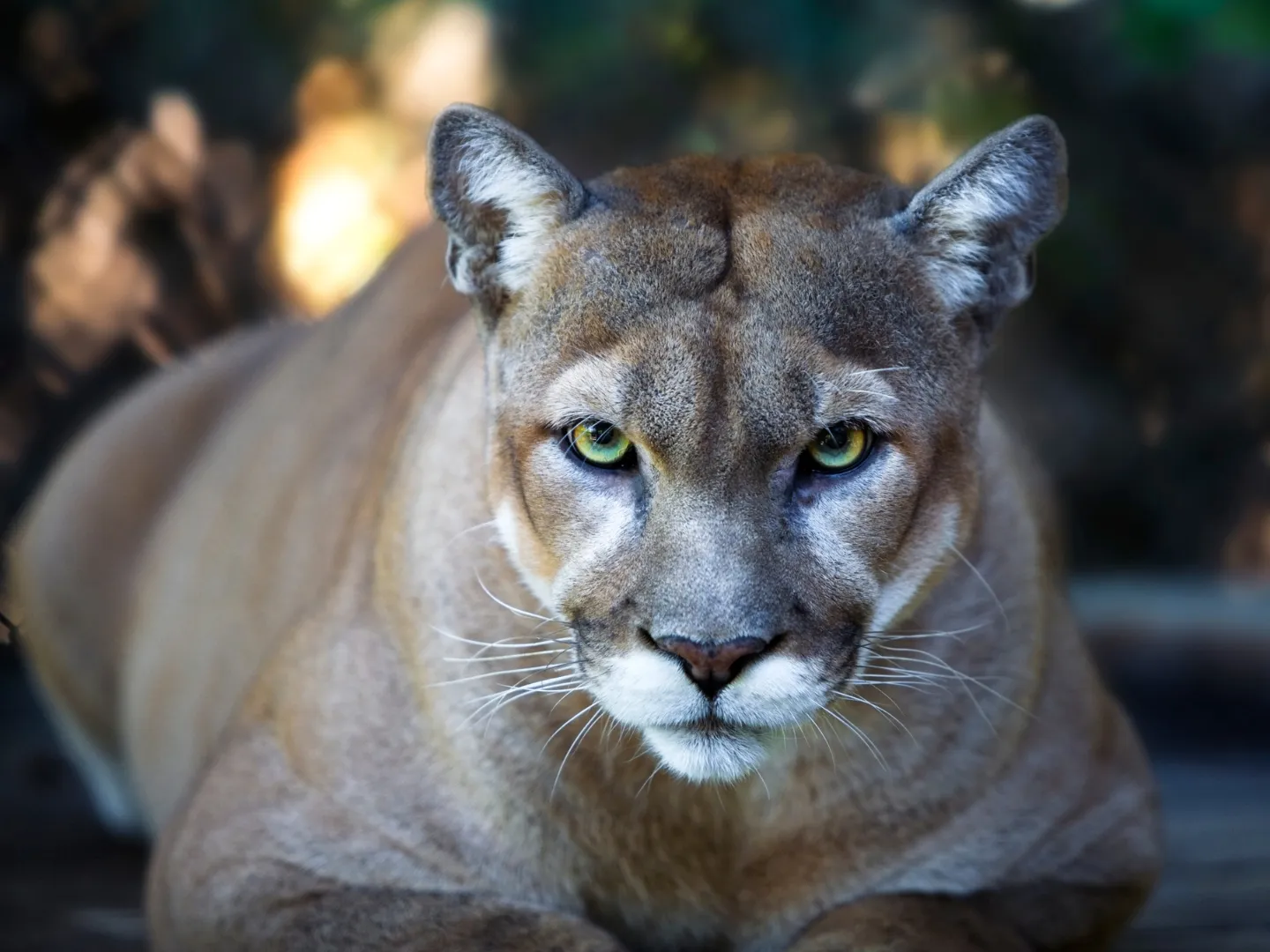
The Florida panther is a rare subspecies of cougar found only in southern Florida. Although conservation work has helped prevent extinction, the population remains endangered and depends on connected habitat.
Conservation Status
Species Data
Student Research20-30
Individuals in 1990s
Hundreds
Sq km per male
Apex
Predator role
South Florida
Current range
What Makes the Florida Panther Unique
Traits and behaviors that define this species.
Florida subspecies
Adapted to the wetlands and forests of South Florida.
Solitary and territorial
Requires large, connected ranges to survive.
Strong swimmer
Moves across rivers and wetlands with ease.
Slow recovery
Low population density slows reproduction.
Diet & Feeding
Primary food sources and foraging behaviors tailored to their environment.
Deer and hogs
Primary prey includes white-tailed deer and wild hogs.
Opportunistic hunting
Also eats raccoons, armadillos, and smaller mammals.
Ecosystem balance
Predation prevents overgrazing and imbalance.
Habitat & Range
Florida panthers need vast, connected landscapes for hunting and breeding.
Everglades stronghold
Primarily found in South Florida and Everglades regions.
Wetlands and pinelands
Forests, swamps, and pinelands provide cover and prey.
Wildlife corridors
Safe pathways reduce isolation and inbreeding.
Human-wildlife edges
Development creates conflict and reduces range.
Geographic Distribution
Historical vs. current territory mapping.
Historical Decline
Florida panthers declined sharply due to habitat loss and persecution.
Hunting pressure
Persecution reduced populations across the Southeast.
Habitat conversion
Roads and urban development fragmented habitat.
Population crash
By the 1990s, only 20-30 panthers remained.
Conservation response
Genetic restoration helped improve population health.
Why This Species Is Endangered
Primary threats and pressure points.
Habitat fragmentation
Development reduces connected territory.
Vehicle collisions
One of the leading causes of death.
Inbreeding
Small population size limits genetic diversity.
Human conflict
Encounters can lead to lethal control.
Climate change
Rising seas threaten wetland habitats.
Why Florida Panther Matters
The ecological role and why conservation matters.
Controls prey populations and ecosystem health.
Healthy panther ranges signal connected habitats.
Protecting panthers safeguards many other species.
What Can Be Done
Actions that support conservation and awareness.
Back projects that preserve wildlife corridors.
Advocate for safe crossings and signage.
Keep distance and follow habitat guidelines.
Understanding predators builds long-term support.
Conservation & Recovery
Status, efforts, and organizations protecting this species.
Current Status
Florida panthers remain endangered, with a small, geographically limited population that relies on continued habitat protection.
Recovery Efforts
Land protection
Securing habitat and wildlife corridors.
Wildlife crossings
Underpasses reduce vehicle collisions.
Genetic restoration
Improves genetic diversity and health.
Monitoring and research
Tracking informs habitat management.
Organizations Protecting Florida Panther
U.S. Fish and Wildlife Service
Oversees recovery planning and protection.
Florida Fish and Wildlife Conservation Commission
Manages panther research and conflict mitigation.
Defenders of Wildlife
Supports habitat corridors and public education.
The Nature Conservancy
Protects land critical to panther habitat.
Metro Prep students research Florida panthers and contribute writing to the Wild, Not Gone book, learning how habitat planning and human choices influence survival.