Kemp's Ridley Sea Turtle
Lepidochelys kempii
Kemp's ridley is the smallest and rarest sea turtle, best known for dramatic arribada nesting events. After near extinction, it remains critically endangered and relies on international conservation efforts.
Conservation Status
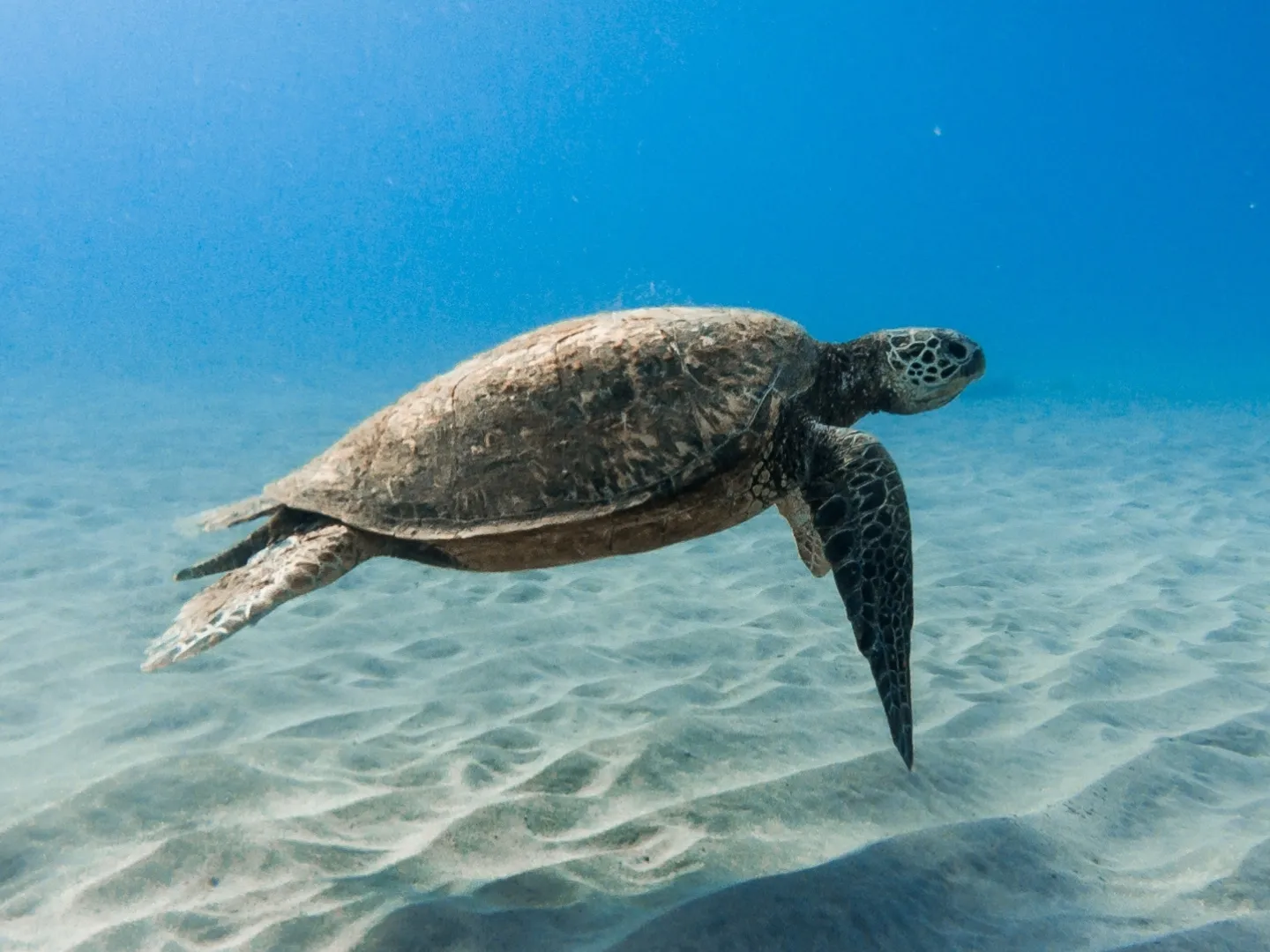
Species Data
Student ResearchSmallest
Sea turtle species
1
Primary nesting beach
Arribada
Mass nesting behavior
Gulf of Mexico
Core habitat
What Makes the Kemp's Ridley Sea Turtle Unique
Traits and behaviors that define this species.
Arribada nesting
Thousands of females nest simultaneously on the same beach.
Smallest sea turtle
The smallest of all sea turtle species.
Beach dependence
Relies on a limited number of nesting sites.
Long-distance juveniles
Hatchlings travel vast distances soon after emerging.
Diet & Feeding
Primary food sources and foraging behaviors tailored to their environment.
Crab specialists
Crabs are their primary food source.
Hard-shell prey
Mollusks and crustaceans require strong jaws.
Coastal foragers
Feed on the ocean floor in shallow waters.
Habitat & Range
Kemp's ridley turtles live in the Gulf of Mexico and western North Atlantic.
Nesting beaches
Primarily along the coast of Tamaulipas, Mexico.
Shallow coastal waters
Adults forage in bays, estuaries, and nearshore zones.
International range
Populations cross U.S. and Mexican waters.
Nursery habitats
Juveniles use protected coastal environments.
Geographic Distribution
Historical vs. current territory mapping.
Historical Decline
Kemp's ridley populations collapsed during the 20th century.
Egg harvesting
Nesting beaches were heavily exploited.
Fishing bycatch
Accidental capture in nets reduced survival.
Coastal development
Nesting sites were disturbed and degraded.
1980s low
Only a few hundred nesting females remained.
Why This Species Is Endangered
Primary threats and pressure points.
Bycatch
Shrimp trawls and fishing gear cause deaths.
Nesting beach loss
Development and tourism disrupt breeding.
Marine pollution
Plastics and contaminants harm turtles.
Climate change
Warmer sands affect hatchling survival.
Oil spills
Critical habitat contamination threatens recovery.
Why Kemp's Ridley Sea Turtle Matters
The ecological role and why conservation matters.
Regulates crab populations and food webs.
Sea turtles reflect the condition of coastal waters.
Protecting turtles also protects marine habitats.
What Can Be Done
Actions that support conservation and awareness.
Back policies that reduce turtle bycatch.
Limit pollution entering oceans.
Respect closures and conservation zones.
Awareness strengthens long-term protection.
Conservation & Recovery
Status, efforts, and organizations protecting this species.
Current Status
Kemp's ridley sea turtles are critically endangered and remain highly vulnerable despite recovery efforts.
Recovery Efforts
Nesting beach protection
Patrols and monitoring safeguard nesting sites.
Turtle excluder devices
TEDs in nets reduce bycatch.
Head-start programs
Hatchlings are raised and released to boost survival.
International cooperation
U.S. and Mexico coordinate conservation.
Organizations Protecting Kemp's Ridley Sea Turtle
NOAA
Oversees protection and recovery in U.S. waters.
U.S. Fish and Wildlife Service
Manages nesting beach protection efforts.
CONANP
Protects key nesting beaches in Mexico.
Sea Turtle Conservancy
Supports research, habitat protection, and education.
Metro Prep students research Kemp's ridley sea turtles and contribute writing to the Wild, Not Gone book, learning how international cooperation supports species recovery.